

29 Oct 2026
Rural communities need heating policy that fits their homes. Duncan Carter of Calor explains why renewable liquid gases and hybrid heating should sit alongside heat pumps in the Warm Homes Plan.
Warmer homes, lower bills and lower emissions: the ambition of the government’s Warm Homes Plan is right. But for rural communities, a credible plan must start from a basic reality. Britain’s homes are not all the same, so the route to decarbonising them cannot be the same either.
Around 1.4 million predominantly rural homes sit beyond the gas grid. Many are older, larger and harder to retrofit than urban properties, and installing and running an air source heat pump can involve significant extra cost. A policy that assumes full electrification suits every home risks leaving rural families facing higher bills, disruption or delay.
Heat pumps will be the right choice for many homes and should remain central to the transition. But government has already acknowledged that some properties may need alternative clean heating solutions. The fair response is a technology-neutral framework: set ambitious outcomes, protect consumers and let households choose the credible lower-carbon option that best suits their property.
Renewable liquid gases such as BioLPG must be part of that mix. Witchampton Mill in Dorset shows why. All 16 homes in this off-grid community have switched to a 100 per cent BioLPG tariff. Residents did not need to replace their boilers, tanks or heating systems, yet the switch is expected to save around 79 tonnes of carbon each year, as BioLPG delivers up to 84 per cent lower emissions than conventional LPG. Electrification is not a silver bullet: where existing assets can cut emissions quickly and efficiently, they should be used.
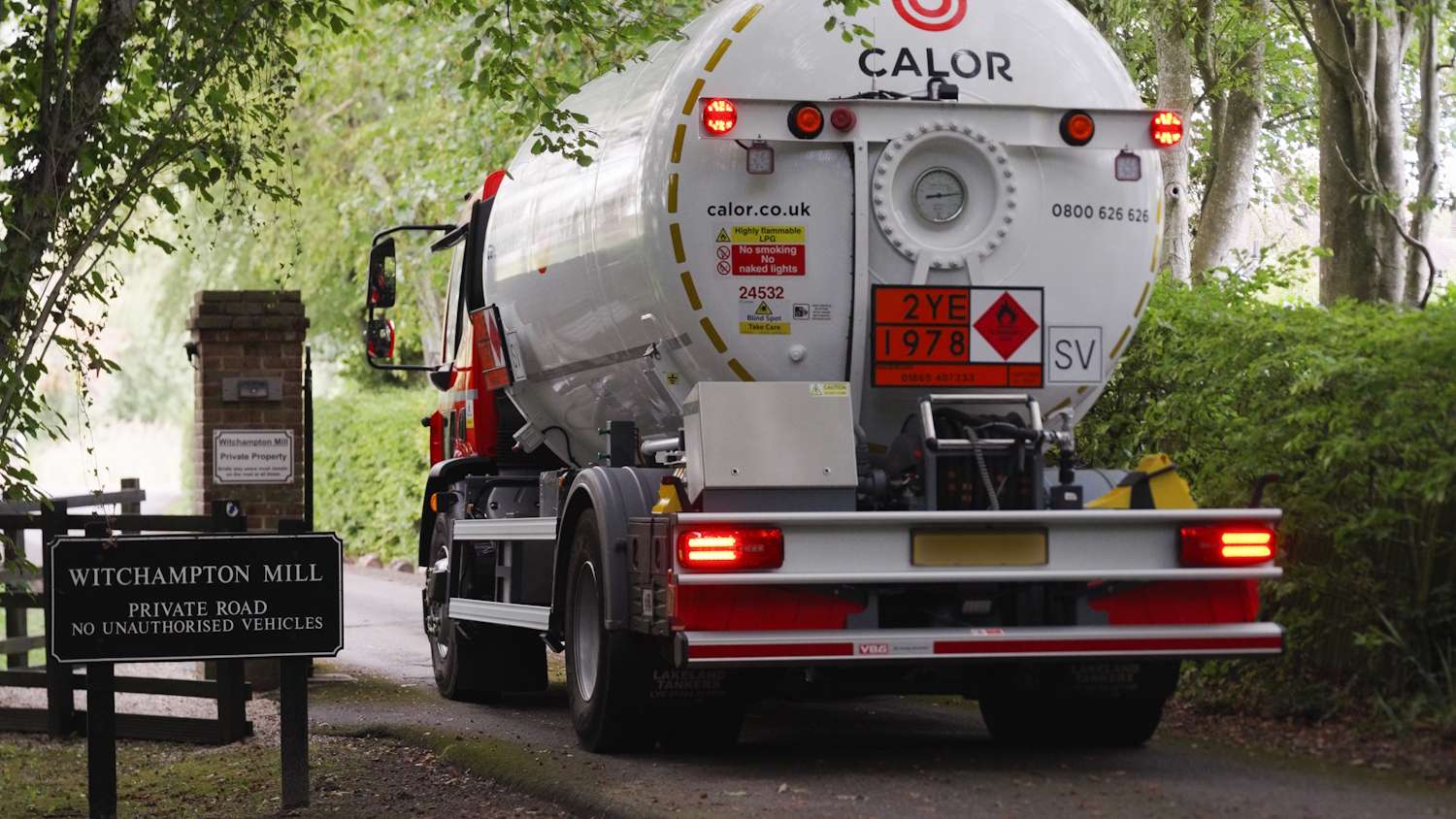
The most effective next step would be a Renewable Heating Fuel Obligation: a long-term, subsidy-free mechanism that steadily increases the renewable content of heating fuels, similar to existing schemes for road transport and aviation. A predictable demand signal would unlock investment in UK renewable fuel supply, support domestic jobs and cut emissions from homes that cannot easily or affordably electrify—complementing heat pumps, not competing with them.
Hybrid heat pumps also deserve support. For suitable properties, combining electrification with renewable liquid fuel cuts emissions while keeping homes resilient in the coldest weather and easing peak winter demand on the electricity grid. The forthcoming Warm Homes Agency should present households with all suitable low-carbon options, rather than steering them towards a single technology regardless of cost or practicality.
Industry is ready to play its part. Calor forecasts that more than 170 million litres of renewable liquid gases could be available by 2030—potentially enough to decarbonise more than 17 per cent of domestic and commercial LPG supply. What is needed now is the policy certainty to bring forward supply and give consumers confidence.
Government should make three commitments: recognise renewable liquid gases in the Warm Homes Plan, consult on a Renewable Heating Fuel Obligation and ensure hybrid systems are treated fairly in policy and consumer advice. Do that, and rural households can become active participants in the transition, rather than paying the price for a strategy designed around different housing stock.