
19 May 2026
It’s been almost a week since the Kings Speech set out the Governments planned laws and priorities for the coming year and I’ve been reflecting on the rural perspective of what was said, or what wasn’t said!
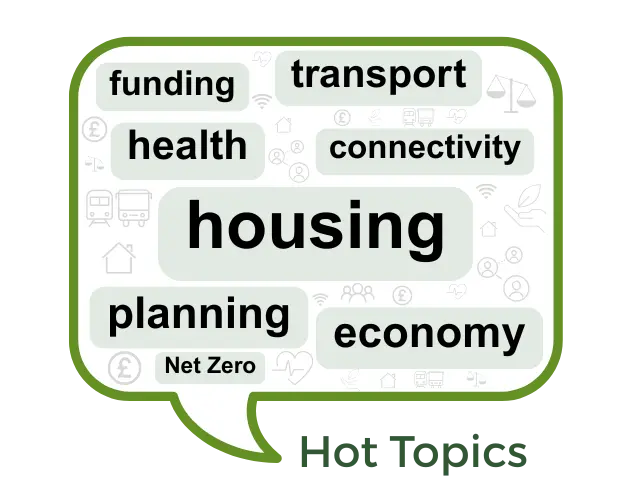
Overall, across the 37 bills referred to there is little in the King’s Speech that appears to directly address issues of concern to rural people, communities or business.
From a rural perspective, the 2026 King’s Speech can be criticised for being growth-led but metropolitan in design: many proposals may make sense nationally, yet they risk overlooking how sparsity, poor transport links, a rural economy, and fragile local services shape daily life in the countryside.
A fair critique also has to acknowledge the argument that housing, energy resilience, NHS reform and stronger growth may help rural communities indirectly if they improve wages, services and investment nationally.
The disagreement is less about goals than about whether policy is designed with rural realities in mind.
It will be essential that the Government fully ‘rural proofs’ its ambitions, proposals, and delivery plans. In order for rural communities to be sustainable, change is needed to overcome years of under investment, public sector austerity and issues with the rural policy framework.
As always, a key question is ‘How will the Government ensure that rural communities and businesses get a ‘fair share’ of the resources and outcomes proposed’? The RSN continues to argue the need for a cross-department Rural Strategy and fair funding for rural public service delivery.
In practice there is relatively little detail given at this stage and it will not be possible to fully understand rural impacts (both beneficial and non-beneficial) until the draft bills are presented to Parliament. However, given the uncertainty around the leadership of the Government, now feels like a good time for them to remember their rural voters, and take targeted action to support the growth and sustainability of rural communities.
This would ensure that “the United Kingdom should be a country fair for all and a place where every child is included in the nation’s highest aspirations”, including those in rural communities.