
28 Jul 2026
Andy Burnham has entered Downing Street promising a “circuit breaker for Britain”, with a new approach focused on devolution, the cost of living and giving local areas more power to shape their own futures.
His first speeches as Prime Minister have stressed the need to spread opportunity beyond Westminster, work more closely with local government and ensure that “every postcode” is heard. The Government has also created No.10 North in Manchester and announced early measures on household energy bills and public transport. A wider ten-year plan is expected later this year.
For rural communities, several parts of this early agenda will be watched closely.
Will Devolution Reach Rural Areas?
The Prime Minister has promised to move power out of Westminster and give local areas more say over decisions that affect them. Councils that have long called for greater flexibility and more locally led solutions will welcome that ambition.
The key question is whether the new approach will work as well for counties, market towns, villages and remote communities as it does for large cities and mayoral areas.
No.10 North has been described as a place where Whitehall will meet the rest of the country. Rural communities will want reassurance that this really does mean the whole country, with their needs reflected in future funding and policy decisions.
Help With The Cost Of Living
Early measures include lower taxes on household electricity bills and cheaper public transport fares for millions of people.
Any help with everyday costs will be welcome, but rural households often face pressures that national figures can hide. Longer journeys, limited public transport, greater reliance on cars and homes that can be harder or more expensive to heat all add to the cost of rural living.
Future measures will need to recognise not only household income, but also the unavoidable costs linked to where people live.
Housing Moves Up The Agenda
Housing is one of the new Government’s main priorities, with plans to build more council homes and act quickly to end rough sleeping.
The National Housing Federation (NHF) has welcomed this focus, while calling for more investment in supported housing and a significant increase in homes for social rent. Read the NHF response here.
In rural areas, homelessness is often hidden, while a shortage of genuinely affordable homes continues to affect young people, families, key workers and older residents. CPRE has also called for affordable housing to be linked more closely to local incomes and for rural communities to have a stronger say in housing and land-use decisions. Read the CPRE response here.
Growth Beyond Cities
The Prime Minister has spoken about re-industrialising Britain, supporting British businesses through public spending and creating better routes into work for young people.
That ambition must reach beyond major cities. Rural economies make an important contribution to national prosperity, but can be held back by poor connectivity, skills shortages, limited transport and a lack of suitable business space.
The NFU has also urged the Prime Minister to recognise the importance of farming and food production, underlining the need for rural industries to be part of the Government’s wider plans for growth. Read the NFU response here.
Delivery Will Matter
Much of the Prime Minister’s language about place, prevention, partnership and spreading opportunity will resonate with rural councils and communities.
The real test will be whether these ambitions lead to practical policies that recognise rural needs from the start, rather than adapting programmes that were designed mainly for cities.
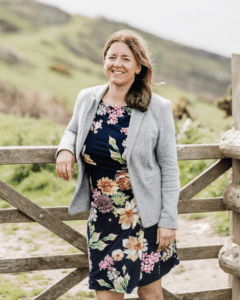
Kerry Booth, Chief Executive, Rural Services Network:
The Prime Minister has set out an ambitious programme focused on devolution, opportunity and improving people’s everyday lives. Many of those ambitions have real potential for rural communities, provided their unique circumstances are recognised from the outset.
Rural areas are home to millions of people and thousands of businesses that make a vital contribution to the UK’s economy and society. We look forward to working with the new Government, ministers and partners to help ensure that national policies reflect the realities of rural life and deliver fair outcomes for the people and places our members represent.