
03 Nov 2026
The Budget offers opportunities for rural homes, businesses and services. The next test is whether funding and delivery reflect the realities of rural life.
The Government’s promise of “good growth in every postcode” sets an ambition that rural communities will want to see delivered. Following last week’s Budget Announcement, attention now turns to how investment will reach villages, market towns and more remote places.
Alongside further devolution, the Budget includes additional affordable housing investment, business-rate support and a £2 bus-fare cap during 2027. It also commits to new rural proofing guidance for strategic authorities in England, due in early 2027.
For RSN, these measures raise a practical question: will delivery recognise the distances, smaller populations and higher service costs that shape rural life?
Will growth funding reach rural places?
The Government has announced £285 million for 2027/28, comprising:
£165 million to help areas with mayors establish Good Growth Funds.
£120 million in incubator capital for areas moving towards devolution.
Support therefore extends beyond places that already have a mayor, although eligibility remains linked to the devolution programme.
The rural test is how that investment is distributed within eligible areas. Funding should address barriers facing smaller communities, including transport, infrastructure and access to employment.
New guidance on place-based business cases and further Green Book reform offer an opportunity to make those needs more visible in investment decisions.
Local financial powers need fair safeguards
The Budget sets an ambition for local and regional government to retain 100% of business rates income before the end of the decade, replacing central government grants, with at least 70% retained by local authorities.
This is a future reform rather than an immediate increase in funding for every council.
The Local Government Association says increased retention must include robust equalisation, recognising that places have different capacities to raise income. It also calls for protection against economic shocks.
A smaller business-rate base must not translate into less capacity to provide essential rural services.
Housing
An additional £1.5 billion for the Social and Affordable Homes Programme is welcome.
For rural communities, success should include smaller developments that help people remain close to work, family and support networks.
Transport
The £2 bus-fare cap can help with travel costs, but affordability is only part of the picture.
Residents also need a service that runs where and when they need it.
Heating Oil
The Government will suspend kerosene tariffs from 26 November 2026 until 31 December 2028.
However, the announcement does not specify a guaranteed household saving.
RSN and ACRE: support must reach rural households
In a joint response, RSN and ACRE have welcomed the £100 household energy payment but warned that support would miss some rural households struggling with heating costs.
Eligibility based on council tax bands does not necessarily reflect current income or the ability to afford heating.
The statement highlighted the immediate pressures facing households reliant on heating oil and LPG:
“Future tariff and market reforms will not help households pay those bills today. Rural communities need immediate, practical support to keep their homes warm this winter.”
RSN and ACRE are calling for support that reflects people’s needs, wherever they live and however they heat their home.
CLA warns rural growth barriers remain
The Country Land and Business Association (CLA) said the Budget continued to overlook the challenges facing rural businesses, including its decision to leave inheritance tax changes in place.
It welcomed the extension of the red diesel duty cut and increased business-rate relief for retail, leisure and hospitality businesses. However, it warned that the rates measures would not benefit rural businesses outside those sectors.
CLA President Gavin Lane questioned whether the Budget would rebuild confidence, saying nine in ten CLA members were cancelling investment in their businesses.
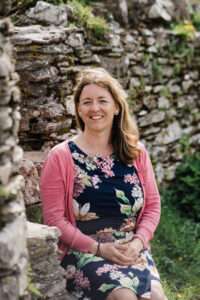
Kerry Booth, Chief Executive, Rural Services Network:
Growth in every postcode is an ambition rural communities should be part of shaping and sharing in. That means investment reaching smaller places, funding recognising the higher costs of delivering rural services, and support reaching households who need it.
The promised rural proofing guidance must influence how decisions are made and money is allocated. The test will be whether people see a difference – in homes they can afford, transport they can use and services they can reach.
Growth in every postcode must mean opportunity in every community.