
10 Nov 2026
A hospital appointment can mean a day’s round trip for someone living in rural England. If they cannot drive, or the appointment does not fit the bus timetable, accessing care becomes harder still.
These practical barriers are central to the Chief Medical Officer for England’s Annual Report 2026, Health in Rural Areas and Small Towns. Its recommendations include giving patients travelling long distances more choice over appointment times, supporting community transport and expanding appropriate digital care.
The Rural Services Network contributed to the report and welcomes its recognition that improving rural health is a national responsibility.
Planning Care Around Rural Lives
Professor Chris Whitty’s report makes clear that rural populations have different healthcare needs as well as greater distances to travel. They are generally older than urban populations and are ageing more quickly, with significant implications for health and social care.
The report calls for services to be designed locally around those needs, supported by national planning. It warns against assuming that approaches developed for cities will work equally well in rural areas.
Some recommendations are straightforward but could make a meaningful difference. Later appointments or greater flexibility could help patients coordinate hospital visits with limited public transport. Agricultural workers could benefit from appointments and outreach services that recognise the demands of their working lives.
Digital consultations also offer opportunities to reduce travel. However, the report stresses that these must be clinically appropriate and acceptable to the patient, with continued access to in-person care. Supported consultations at a local GP surgery or library may work better for some people than connecting from home.
Seeing The Need That Averages Can Hide
The report also challenges how rural deprivation is understood.
Households facing hardship can be dispersed among more affluent neighbours, meaning their circumstances are obscured by area averages. Current deprivation measures can therefore miss pockets of rural need.
The recommendations call for better statistical measures, alongside the use of local evidence and community knowledge to help target public health resources.
Workforce planning needs similar attention. The report describes rural services where losing just one or two staff could threaten their viability. It recommends expanding rural training placements and addressing professional isolation and barriers to career development.
What This Means For Rural Policy
For the RSN, the findings reinforce the need to consider transport, housing, digital connectivity and healthcare together. A service’s location, the availability of a warm and suitable home, and the ability to get online all have consequences for health.
They also strengthen the case for better measures of rural need and policies designed around the communities they serve.
Kerry Booth, Chief Executive, Rural Services Network:
We welcome the Chief Medical Officer’s recognition of the health challenges facing people in small towns and rural areas.
The report makes clear that geography and hidden deprivation matter. Rural communities need transport and digital infrastructure that supports access to care.
Recognising rural health as a national responsibility means taking joined-up action across government departments, working with the NHS, local partners and communities to meet local needs.
Everyone should have the opportunity to live a healthy life, wherever they live.
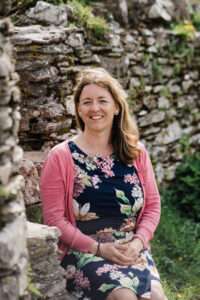
Hear directly from Professor Chris Whitty
Professor Chris Whitty will present the report at our final RSN member-exclusive seminar of the year, focusing on Rural Health and Social Care, on Wednesday 2 December 2026.
Join us to hear directly about the findings and what they mean for rural communities.
For RSN Members
Our member briefing brings together the report’s key findings, recommendations and implications for rural services.