

05 Aug 2026
Social isolation can be a big problem in rural areas where populations are often very spread out, and public transport links are often very poor. At GRCC (Gloucestershire Rural Community Council) we’ve recently run two innovative projects to boost wellbeing and social connections for vulnerable adults – firstly a hands-on blacksmithing course, and second a series of nature photography workshops.
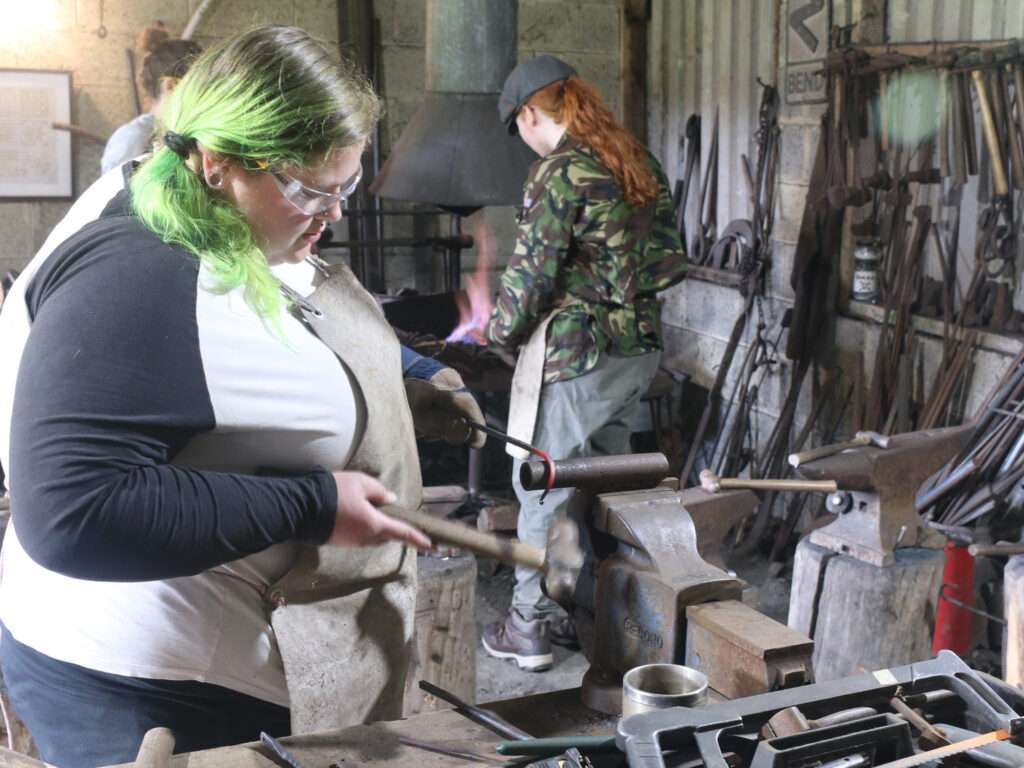
Our eight-week blacksmithing course was specifically targeted at young autistic adults. Thanks to a grant from The Ironmongers’ Company, we were able to give each young person eight half-day sessions of blacksmithing training, in very small groups, at a local teaching forge run by an experienced tutor.
The students’ work then formed part of a major exhibition about the work of artist-blacksmiths at the local museum in Stroud. Several of the students loved the course so much that they wanted to carry on with the craft afterwards, and we were able to help one of them obtain a grant to continue their training. Visit our website for more information and photos from this project.
It’s a big technological leap from the blacksmith’s forge to smartphones – but our Photography for Wellbeing workshops are also giving vulnerable people an opportunity to learn a new skill, create artworks, and form new social connections and friendships.
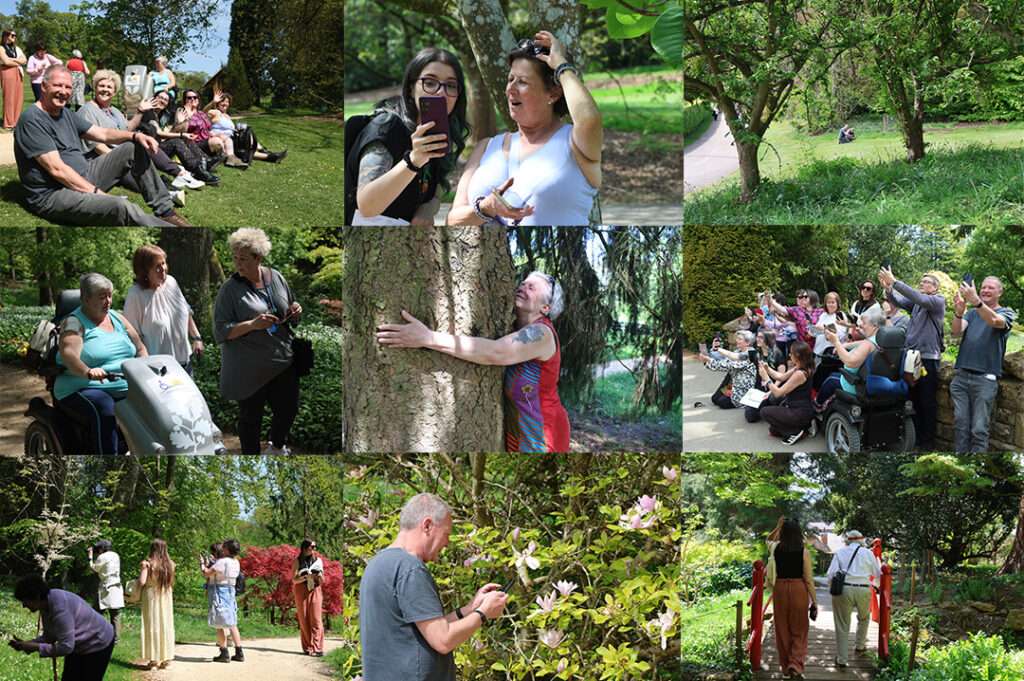
The photography sessions aim to give people with physical health issues, caring responsibilities, social isolation, or poor mental health an opportunity to walk in nature and learn new ways to use their smartphone cameras for nature-based photography. They are run by our Digital Equity team as part of our National Lottery supported ACORN Project. The team developed a short booklet teaching photography concepts and smartphone camera tips and tricks, including a “10 Photo Challenge” to be completed during the workshop. In designing this project, we followed the 5 Ways to Wellbeing framework.
These Photography for Wellbeing workshops are just a small part of GRCC’s wider Digital Equity work, which includes running regular digital support drop-ins at more than 25 locations across the county, and a scheme to collect, refurbish and redistribute old tech devices for those in digital poverty. We also deliver tech training and scam awareness sessions to community groups and small local charities. We rely on just a handful of staff boosted by over 30 committed regular volunteers to run this county-wide digital inclusion initiative which has received several national awards.
One of our other main areas of work at GRCC is Rural Affordable Housing: our Rural Housing Enablers work with communities to assess rural affordable housing needs, engage with local residents, find sites, team up with social housing developers or community-led housing projects, gain planning approval, and eventually – often after years of work – enable those in housing need in rural areas to move into new homes close to their families, social networks, and jobs.
Our affordable rural housing enablement dovetails with the activities of our Community Development Team, who work with community groups, small local charities, and town and parish councils to support wellbeing activities, develop community resilience and emergency planning, and keep village halls open and thriving.
To complete this quick round-up of our main teams, and take us back to where we started, finally we have our Autism and Mental Health team, which runs mental health and autism support services in partnership with the NHS and the county council. It was our Community Autism Support and Advice service which devised the blacksmithing training project described above, an achievement the team is very proud of!
Find out more about all of our work at www.grcc.org.uk.
Author – Peter Richardson, Digital Content Officer, Gloucestershire Rural Community Council, peterr@grcc.org.uk 07729 103263