
27 Oct 2026
The Government has announced changes to how public investment is assessed, allowing linked projects in an area to be considered together.
The reforms to the Green Book, the framework used to assess proposals for government spending, will be set out during this week’s Budget.
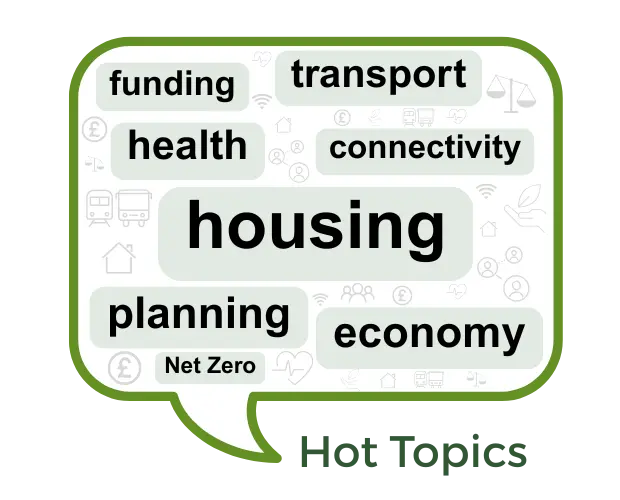
The new approach will help authorities show how investment in housing, transport, skills and other services could work together to tackle local barriers to growth.
The Government says No10 North will support areas across the country to use the revised process. This explicitly includes helping places without mayors to prepare strong business cases.
The Budget will also include a roadmap for future fiscal devolution, setting out plans to give regional leaders control over the allocation of a share of some national taxes.
The announcement does not specify which taxes or which areas would be included.
Why This Matters For Rural Areas
For rural communities, the changes could offer a better way to demonstrate the combined value of smaller, connected investments. For example, affordable homes, better transport and local training opportunities could together help businesses recruit and enable residents to access work.
However, preparing these proposals requires staff, expertise and resources. The practical support available to rural councils will therefore be crucial.
For the Rural Services Network and it’s members, a key test of the Budget will be whether rural areas, districts and places without mayors have a clear route to benefit.
This connects directly with RSN’s priorities to Unlock Rural Growth, Fair Funding, Connect Opportunity and Make National Ambition Work Everywhere.
Good growth in every postcode requires every place to have the capacity and route to make its case.