
17 Nov 2026
The Rural Services Network is calling for rural accessibility to be central to the Government’s consideration of the Milburn review, which proposes a new system of employment, education and support for young people.
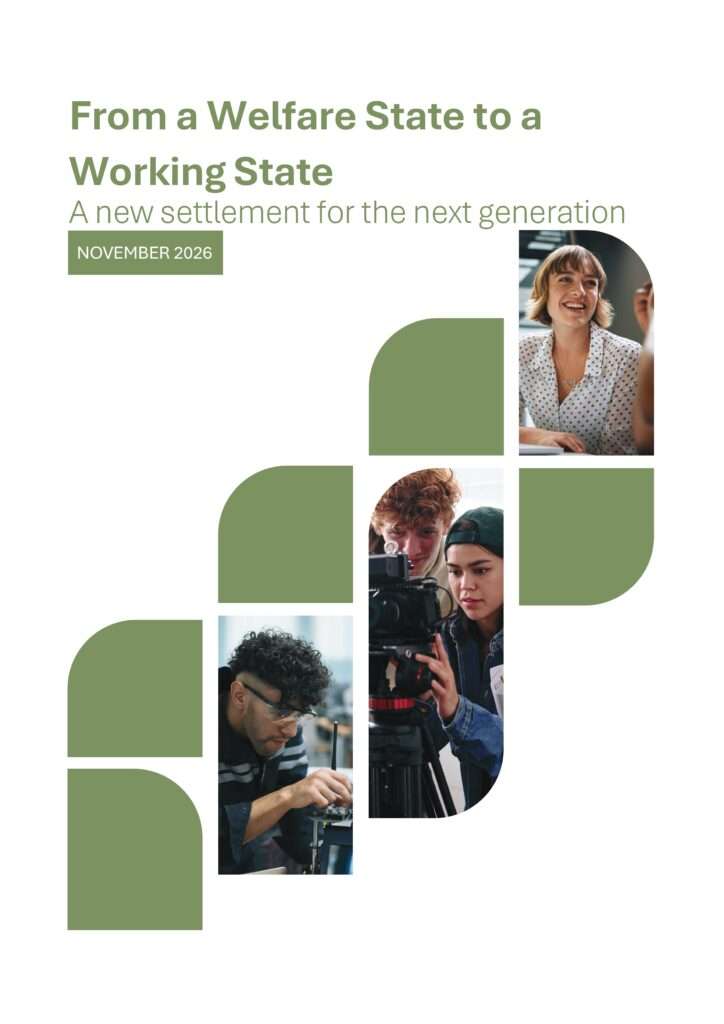
From a Welfare State to a Working State: a new settlement for the next generation sets out recommendations to reduce the number of young people not in education, employment or training (NEET).
Its proposals include statutory guarantees of opportunities and support, delivered through locally led Youth Opportunity Services, alongside changes to benefits for under-25s. These are recommendations from an independent review, rather than an agreed programme of government policy.
What The Review Recommends
The review proposes five main changes: opening up more first jobs, apprenticeships and work experience; strengthening education’s role in preparing young people for work; providing earlier, needs-led health support; reforming benefits alongside statutory entitlements to opportunities and support; and bringing services together through a locally led Youth Opportunity Service in every part of England.
It also recommends a statutory Youth Opportunity Test to assess the effects of major government decisions on young people, and greater local powers, funding and accountability for helping 16–24-year-olds participate in education, employment and training.
The welfare recommendations include a Youth Allowance, a local Health and Disability Fund, an Additional Costs Allowance and Severe and Complex Needs Insurance. The report proposes establishing the necessary local services and support before introducing the new benefit arrangements in each area.
Recognition Of Rural Barriers
The report explicitly recognises how rural circumstances can restrict opportunities. It describes disabled young people facing buses running 90 minutes apart and a young person who moved away from home for college, lost their support network and subsequently dropped out.
It proposes that every young person should be able to access a physical support service within a reasonable travel time of home. Delivery could involve councils, colleges, charities and community organisations, alongside proactive outreach to identify and engage young people. The model would provide several routes into a shared service rather than require one central building.
The review also says young people should not receive a weaker offer because their area’s devolution arrangements are still developing.
RSN welcomes this recognition. The practical question is how these commitments would be delivered where transport, training or specialist support is currently unavailable.
Key Questions For Rural Delivery
Transport
The proposed Support Guarantee includes help with transport costs. But where no suitable service exists, how will young people reach work, training and appointments, including early starts or evening shifts?
Local Delivery
How will the commitment to a service within a reasonable travel time be defined and delivered across smaller towns, villages and remote communities?
Employers
The review proposes hiring incentives, including an additional payment for businesses with fewer than 50 employees, alongside help with recruitment, adjustments and sustaining placements. How will this support reach small rural employers and help create accessible local opportunities?
Health and disability
The review recommends earlier, needs-led support, digital access and new maximum waiting-time standards for children and young people’s mental health services. How will these proposals deliver timely support in rural areas, particularly where face-to-face provision is needed?
Funding and accountability
The review calls for funding settlements lasting at least three years and public reporting of participation outcomes. Will allocations reflect rural distances and delivery costs, and will reporting identify rural young people whose circumstances may be hidden within wider area averages?
The report proposes establishing the necessary services and support before introducing the new benefit arrangements locally. It also recommends attempts to understand barriers and re-engage young people before financial consequences for persistent non-engagement.

Kerry Booth, Chief Executive, Rural Services Network:
Everyone, wherever they live, should have the same opportunities to thrive. We welcome the review’s recognition that young people can face real barriers to accessing work, education and training in rural communities.
The key question now is how those barriers will be overcome. Help with travel costs matters, but if there is no suitable bus service, that alone will not make a job or college place accessible.
Delivering these ambitions will require practical solutions, support for rural employers and funding that reflects the distances and costs involved in reaching smaller towns, villages and remote communities.
The review rightly recognises that support must be in place before benefit changes are introduced. That must mean support and opportunities that young people can genuinely access, wherever they live. A lack of accessible provision must not become a reason for someone to lose support.