
03 Nov 2026
Poor transport, financial pressures and difficulties accessing services are affecting health and wellbeing in rural Oxfordshire, a new report has found.
The research challenges assumptions that rural prosperity benefits everyone, highlighting pockets of disadvantage within towns and villages.
Commissioned through Oxfordshire County Council’s Marmot Place programme, the research gathered evidence from 851 people across 14 rural communities identified as having pockets of health inequality. It was carried out by Healthwatch Oxfordshire and Community First Oxfordshire.
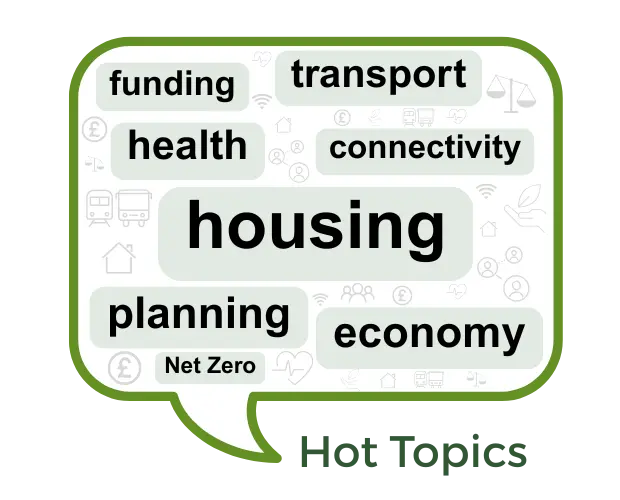
Participants described limited transport connections, shortages of affordable and suitable housing, and barriers to healthcare. Some said services and infrastructure were failing to keep pace with new housing developments.
Financial pressures were closely linked to wellbeing. Among respondents who described their finances as “not comfortable”, 24% reported poor mental health, compared with 6% of those who were financially comfortable.
The report also highlights the need for stronger support for rural teenagers, including safe places to meet, affordable activities and better access to transport, training and employment opportunities.
Community and voluntary groups play a vital role, providing everything from youth activities and community larders to lifts to medical appointments. However, many face funding and volunteer recruitment pressures, alongside growing demand.
The authors call for longer-term funding to sustain these groups, healthcare closer to home and better coordination across administrative boundaries. Other priorities include improved public and community transport, more affordable housing and infrastructure that keeps pace with development.
They stress that changes to services must build on existing community strengths and involve residents in their design, recognising that different places need different solutions.
For rural service providers, the findings underline why health cannot be considered in isolation. Transport, housing, community support and the affordability of everyday life must all be part of the response.