
05 Oct 2026
Rural households that rely on heating oil are facing sharply higher costs as winter approaches.
New analysis from Action with Communities in Rural England show that heating oil prices increased by around 74% in just seven months.
The average price rose from approximately 61p per litre in February to £1.07 by the end of September. This means a standard delivery of 1,000 litres now costs more than £400 extra.
Unlike households using mains gas and electricity, heating-oil customers are not protected by Ofgem’s energy price cap. They also usually have to buy their fuel in large quantities, creating a significant upfront cost.
More than 900,000 homes in England rely on heating oil, while a further 150,000 use liquefied petroleum gas, known as LPG. Most of these homes are in rural towns and villages.
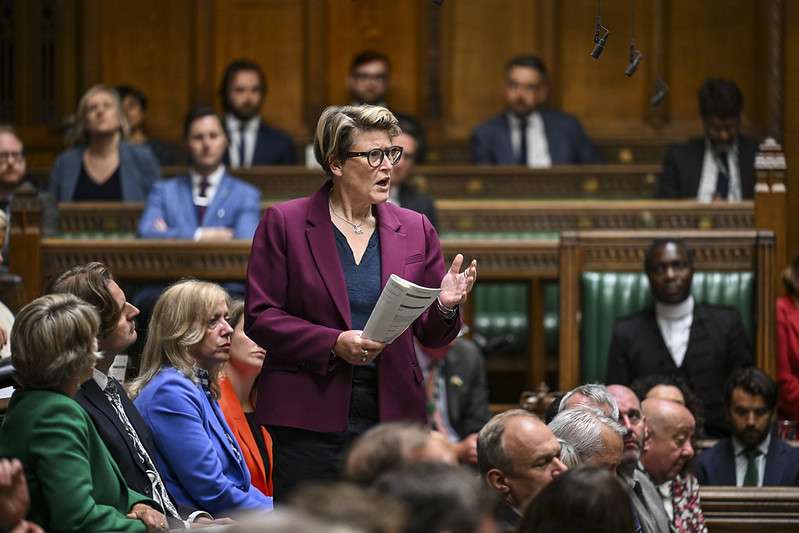
Sarah Dyke, MP for Glastonbury and Somerton, has also raised concerns about the pressures facing rural households, saying:
“Rural families are heading into winter with dread. Heating oil prices are soaring, and households off the gas grid have nowhere to turn.
Many are already struggling to make ends meet, and now they face an impossible choice between heating their homes and putting food on the table.
No family in Britain should have to make that choice.”
What Support Has The Government Announced?
In March, the Government announced £53 million of UK-wide support for low-income households affected by rising heating-oil prices.
This included £27 million for England, distributed through the Crisis and Resilience Fund. Funding was directed towards councils serving areas with higher levels of oil heating.
The fund can help households facing immediate financial hardship with heating oil, portable gas and other essential energy costs.
However, this is targeted crisis assistance. It is administered locally and does not protect all off-grid households from rising prices.
The Government has also temporarily removed VAT from domestic electricity bills for six months from 1 October. The Treasury estimates this will reduce the annual Ofgem price-cap figure by around £45.
But this VAT cut does not apply to heating oil or LPG.
ACRE is calling for a six-month VAT holiday for both fuels. It estimates this would save households around £50 on a 1,000-litre oil delivery.
Off-Grid Households Have Fewer Protections
The Competition and Markets Authority has found that the UK’s 1.5 million heating-oil households do not receive the same consumer protections as gas and electricity customers.
It has recommended:
- stronger regulation of heating-oil suppliers;
- clearer pricing and cancellation arrangements;
- access to independent dispute resolution;
- better support for vulnerable customers; and
- a review of minimum-order requirements.
The CMA also found that people in remote areas can face higher prices and have fewer suppliers to choose from because their homes are more expensive to serve.
This is a clear example of how national figures can hide the additional costs experienced by rural communities.
The findings reinforce one of the Rural Services Network’s six priorities for Government: recognising the rural cost of living.
Off-grid heating is one of several factors that can make rural living more expensive. Longer journeys, limited public transport, housing pressures and distance from essential services can all add to household costs.
Households experiencing fuel poverty in rural areas already face an average annual fuel-poverty gap of £636, which is almost twice the equivalent figure in urban areas.
A sudden increase in heating-oil prices can therefore cause serious hardship, including for households that may not qualify for targeted crisis support.
The RSN’s priorities also call on Government to make national ambition work in every place.
Energy policies designed mainly around mains gas and electricity risk overlooking households that heat their homes differently because of where they live.