
03 Nov 2026
Employment disadvantages in smaller rural and coastal communities can be hidden by wider council-level figures, according to new research from the Social Mobility Commission.
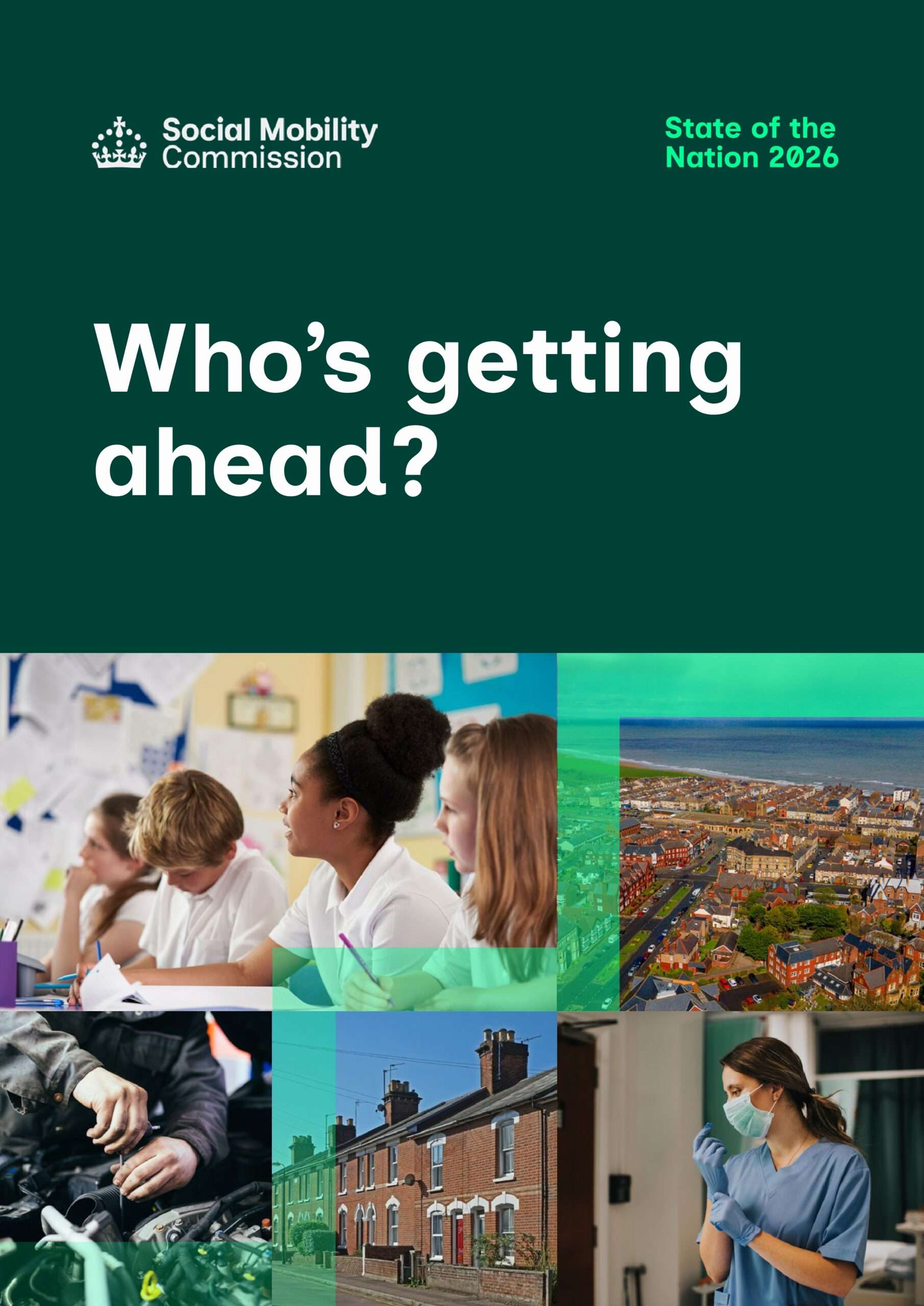
State of the Nation 2026: Who’s Getting Ahead? examines opportunities using travel-to-work areas – geographical areas based on commuting patterns – rather than relying solely on council boundaries.
This approach reveals differences that broader figures can miss. Cromer & Sheringham and Skegness & Louth are among the smaller labour markets whose disadvantage was hidden in the Commission’s previous council-level analysis. Boston also features among areas with unfavourable employment opportunities for young people.
The report finds that weaker opportunities are often concentrated in remote coastal communities, sparsely populated rural areas and former industrial towns. Some smaller labour markets have limited access to major employment centres. It also highlights the need for coordinated transport policies where commuting areas cross council boundaries.
The report illustrates what rural barriers can mean in everyday life. Matthew Cordwent, who grew up on a Devon farm and later qualified as a solicitor, describes a 40-minute walk to his nearest bus stop, with buses every two hours and none on Sundays. His experience brings a practical question into focus: can young people reach the opportunities available to them?
Housing presents another concern. Separate analysis of linked census records in England and Wales shows that, among people who grew up in rented accommodation, the proportion owning their home at ages 28–37 fell sharply between 1991 and 2021: from 67% to 37% for men and from 65% to 33% for women. These are wider findings, rather than rural-specific figures.
The Commission’s wider conclusion is particularly relevant to rural communities: improving education and skills alone is not enough. People also need access to good jobs, fair pay, affordable housing and opportunities that allow them to remain in the places where they grew up.
For the Rural Services Network, this strengthens the case for considering rural housing, transport, skills and employment together. As devolution and local growth plans develop, investment decisions should reflect the jobs and training residents can realistically reach, with opportunities to build a future within their own communities.