
Rural Economies
Economic growth is widely acknowledged as essential for national wealth and prosperity, and is a priority for political parties. Rural economies, employing millions and home to a higher proportion of small businesses, have potential for growth if barriers are removed.
20 Jul 2026
Government Confirms LGR Decisions
The Government has confirmed the next phase of Local Government Reorganisation (LGR), setting out decisions on new unitary authority arrangements across 14 areas in England. The announcement affects a number...
Read more
20 Jul 2026
New Flexible Bus Service Goes the Extra Mile
A new demand-responsive bus service has launched in Westmorland and Furness, offering a fresh approach to tackling one of rural communities’ most persistent challenges – access to reliable public transport....
Read more
20 Jul 2026
Beyond Smartphones: Digital Access In Schools
A new report from the Digital Poverty Alliance is calling for greater recognition that access to a smartphone alone is not enough for children to fully participate in modern education,...
Read more
20 Jul 2026
School’s Out, Adventures Await, If You Can Get There
With the summer holidays now underway in some parts of England and just about to begin in others, there is some welcome news for many families. Throughout August, children aged...
Read more
13 Jul 2026
Report Highlights Rural Economy Priorities
A report published today by the Labour Rural Research Group explores the opportunities and challenges facing the rural economy and sets out a series of recommendations aimed at unlocking growth...
Read more
13 Jul 2026
Councils Call For Locally Led Adult Social Care Reform
The Local Government Association (LGA) has urged the Government and the Casey Commission to ensure councils remain at the heart of future adult social care reform, arguing that lasting change...
Read more
13 Jul 2026
Public Invited to Shape the Future of Adult Social Care
The public will be invited to help shape the future of adult social care in England as part of a major national conversation being launched by the Casey Commission later...
Read more
13 Jul 2026
Britain’s Leading Edge Launches 2026 Manifesto
A new manifesto setting out the case for greater investment in rural and coastal regions was launched by Britain’s Leading Edge at last week’s Local Government Association (LGA) Conference. The...
Read more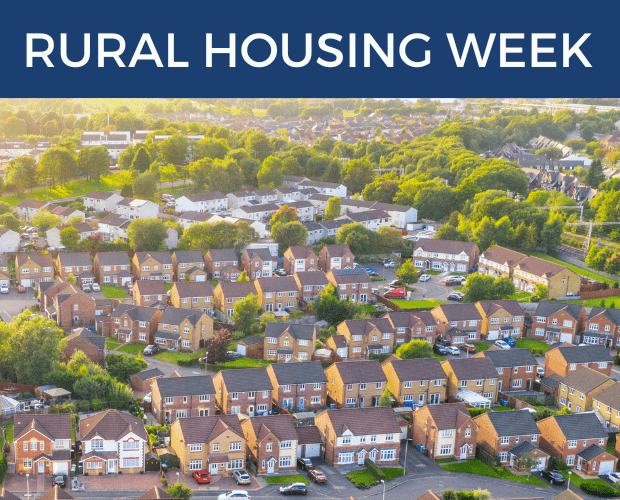
06 Jul 2026
Rural Housing Is About More Than Homes
As Rural Housing Week shines a spotlight on the need for more affordable homes, the Rural Services Network is calling for a broader conversation about the role housing plays in...
Read more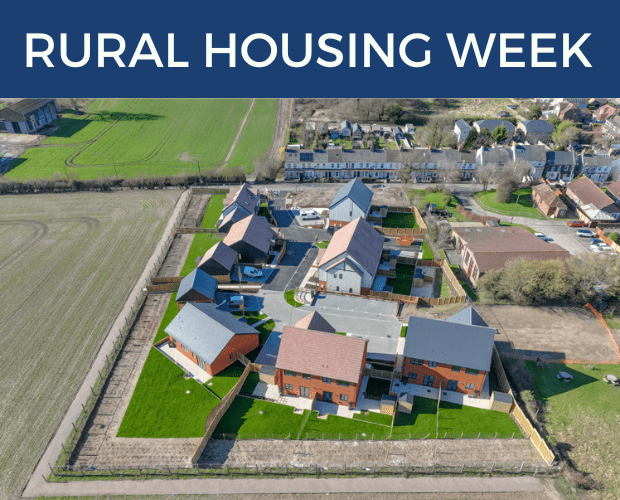
06 Jul 2026
Toolkit Launched To Support Rural Affordable Housing
Launched for Rural Housing Week, the free guide warns villages risk being “written out” of plans that will shape housing for a generation Rural communities across England are being given...
Read more