
Rural Fair Funding
Amid reduced public spending, fair resource allocation across regions is crucial. Despite a population larger than Greater London, rural areas receive significantly less funding for essential services, even though delivering these services in rural locales is costlier.
20 Jul 2026
Government Confirms LGR Decisions
The Government has confirmed the next phase of Local Government Reorganisation (LGR), setting out decisions on new unitary authority arrangements across 14 areas in England. The announcement affects a number...
Read more
20 Jul 2026
School’s Out, Adventures Await, If You Can Get There
With the summer holidays now underway in some parts of England and just about to begin in others, there is some welcome news for many families. Throughout August, children aged...
Read more
17 Jul 2026
RSN Response To DEFRA’s Future Of Rural England Report
The Rural Services Network (RSN) has responded to the publication of Defra’s Future of Rural England Report, having contributed to the Rural Taskforce which informed the development of the report. Bringing...
Read more
13 Jul 2026
Report Highlights Rural Economy Priorities
A report published today by the Labour Rural Research Group explores the opportunities and challenges facing the rural economy and sets out a series of recommendations aimed at unlocking growth...
Read more
06 Jul 2026
Green Book Reforms To Boost Regional Investment
The Government has announced further reforms to the Treasury‘s Green Book, aiming to ensure investment decisions better reflect the needs and opportunities of communities across the UK. The Green Book...
Read more

23 Jun 2026
Rural Women Entrepreneurs Call For Greater Business Support
A new report from the National Innovation Centre for Rural Enterprise (NICRE) and the North Pennines National Landscape has highlighted the support needs of women-led businesses across the North Pennines,...
Read more
09 Jun 2026
Looking Beyond The Headline Funding Figures
Looking Beyond The Headline Funding Figures
Read more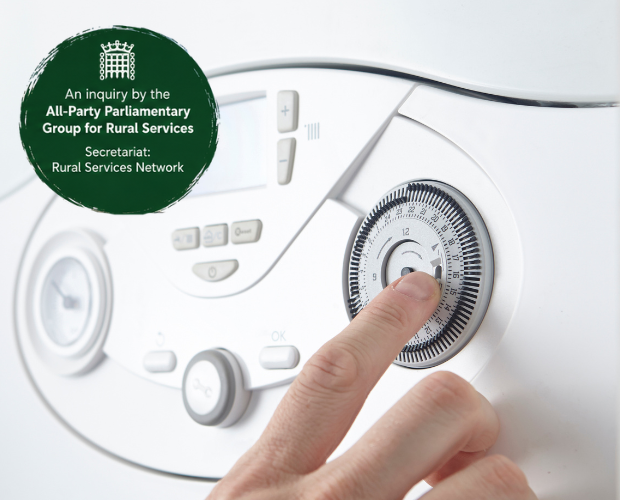
26 May 2026
Call For Evidence: Rural Resilience and Off Gas Grid Heating
The All-Party Parliamentary Group (APPG) for Rural Services has launched a new inquiry examining the resilience of rural communities, with a particular focus on energy costs, off-gas grid homes and...
Read more
26 May 2026
New Neighbourhood Guarantee Aims To Improve Local Services
Communities across England are set to see changes to local public services under a new government-backed “Neighbourhood Guarantee”, recently announced by the Ministry of Housing, Communities and Local Government.
Read more