T: 01822 851370 E: [email protected]
News
The latest Rural Crime Report from NFU Mutual offers a detailed picture of the financial and emotional toll rural crime continues to take on our communities. Drawing on annual claims data, rural surveys, and insights...
The Rural England Prosperity Fund (REPF) in South Oxfordshire and Vale of White Horse is open for applications — but not for much longer! Local businesses and community groups can apply for capital grants of...

The Rural Services Network is delighted to celebrate the achievements of our member councils who were shortlisted or recognised at this year’s Local Government Chronicle (LGC) Awards — a flagship event celebrating innovation and excellence across the local...

The House of Commons Transport Committee has published the Government’s response to its report Access Denied: Rights versus Reality in Disabled People’s Access to Transport . The report highlights the persistent barriers faced by disabled people across...

Digital exclusion affects up to 19 million people across the UK. As core services in education, healthcare, employment, and public life continue to move online, this exclusion is deepening existing inequalities and creating new forms of disadvantage. Digital...
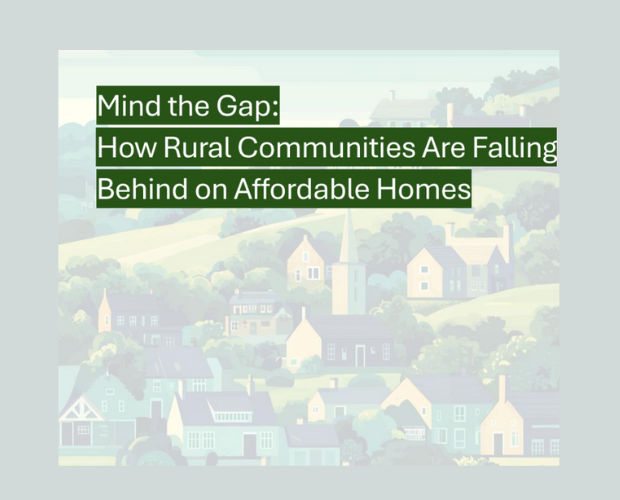
Affordable Housing Need 50% Greater in Rural Areas, Report Reveals England’s rural communities are experiencing an affordable housing crisis of unprecedented scale, with the need for affordable homes is more than 50% higher than in urban areas,...

Join us live for RSN’s biggest event of the year – 15 to 18 September We’re excited to announce that the National Rural Conference 2025 will take place from Monday 15th to Thursday 18th September – and preparations...
The Rural Services Network welcomes the publication of today’s Spending Review as an important marker of this new government’s priorities — and we particularly note the Chancellor’s commitment to ensuring that the benefits of growth and investment are...
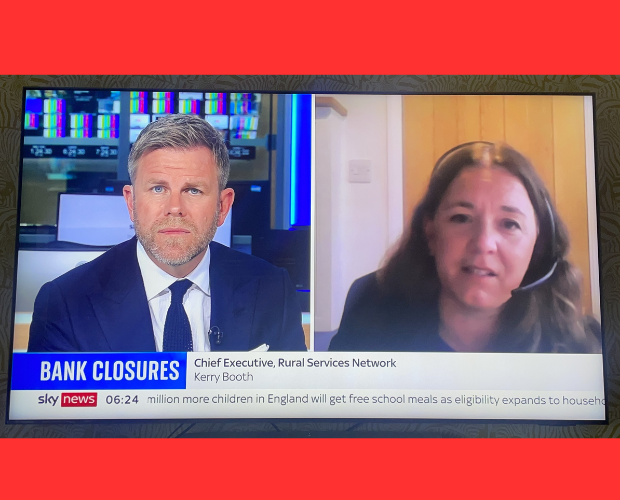
Bank closures and their impact on rural communities were firmly in the national spotlight last week, with the issue debated in Parliament and discussed on Sky News. Ahead of the debate, RSN Chief Executive Kerry Booth joined Sky News...

A recent report from the National Audit Office (NAO) highlights significant weaknesses in the Ministry of Housing, Communities & Local Government ’s (MHCLG) developer contributions system in England — a key mechanism for funding local infrastructure such as schools, roads,...
NEWSLETTER
Sign up to receive all our latest news and updates.
HOT TOPICS
Amid reduced public spending, fair resource allocation across regions is crucial. Despite a population larger than Greater London, rural areas receive significantly less funding for essential services, even though delivering these services in rural areas is more expensive.
Economic growth is widely acknowledged as essential for national wealth and prosperity and is a priority for political parties. Rural economies, employing millions and home to a higher proportion of small businesses, have potential for growth if barriers are removed.
Rural residents face distinct healthcare challenges, including limited access to transport, longer distances to medical facilities, an aging demographic, housing inadequacies, digital connectivity gaps, and difficulties recruiting health and care workers.
Rural communities are grappling with a severe affordable housing crisis, marked by high house prices, a lack of affordable housing, elevated living costs, and lower incomes, threatening their sustainability and vitality.
Transport is vital for the quality of life and economic health of rural areas, yet it faces challenges such as infrequent public bus services and less Government funding compared to urban regions.
Rural areas, encompassing a substantial portion of England's population and land, play a pivotal role in combating climate change and achieving the net zero target.
In an increasingly digital world, the lack of robust digital infrastructure in rural areas severely limits access to crucial services and stifles economic growth.
A future-focused vision for rural communities involves not just building the right homes in the right places but also ensuring thriving, sustainable communities.
SIGN UP TO OUR NEWSLETTER
Sign up to our newsletter to receive all the latest news and updates.
Part of and working with: