
T: 01822 851370 E: [email protected]
Visit RSN Survey about life in rural England to find out more.
Adequacy Of Funding To Support Homeless People
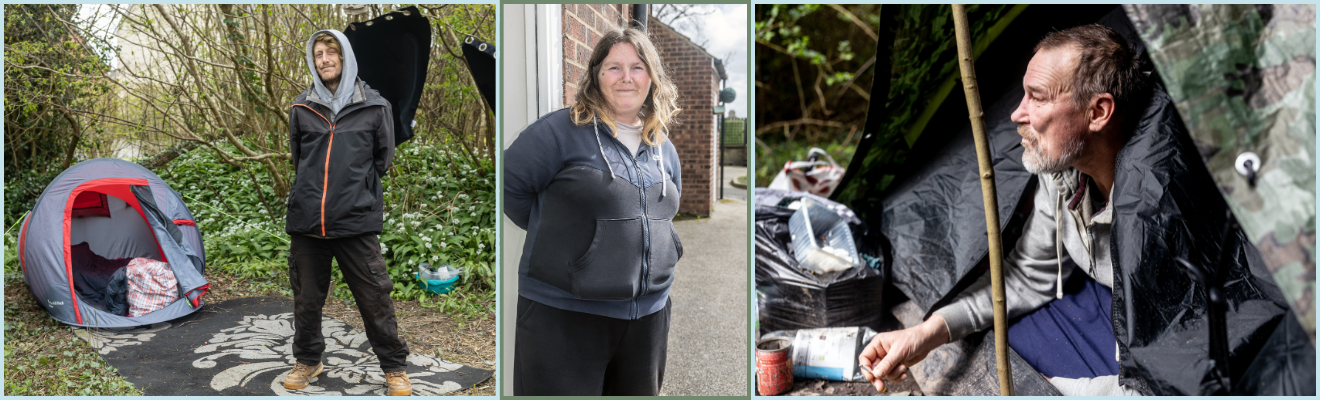
MPs met in Westminster Hall last week to debate whether current funding is adequate to support people experiencing homelessness. Opening the debate, Bob Blackman MP highlighted that homelessness is continuing to rise across England, with Crisis estimating that 300,000 individuals and families experienced the most severe forms of homelessness in 2024, a 22% rise since 2022. Rough sleeping has also increased, with London seeing particularly acute pressures; the capital now accounts for 56% of all households in temporary accommodation.
Local authorities, he said, are “struggling to cope” with demand. Crisis reports that 79% of councils are unable to meet their main rehousing duty most or all the time, and many services have reduced capacity or closed altogether. Major short-term drivers include the continued freeze on Local Housing Allowance and people becoming homeless after being asked to leave Home Office accommodation or following discharge from hospitals or prisons. Blackman urged the Government to publish its homelessness strategy quickly and to ensure it focuses on prevention, addresses the cross-government drivers of homelessness, and reforms funding models so that they are adequate and outcome-focused.
Contributions from MPs across the country highlighted the pressures faced in their areas. Members raised concerns about the rising use and cost of temporary accommodation, the impact of reduced local authority budgets, the challenges posed by two-tier local government areas, and the need for long-term, ringfenced and multi-year funding settlements to help councils and providers plan effectively. Several MPs pressed for the Housing First model to be expanded nationally, noting high tenancy sustainment rates in existing pilots. Others stressed the need to tackle the lack of social housing and the impact of welfare policy decisions, including the freeze in Local Housing Allowance.
MPs also raised concerns about homelessness among veterans, people with complex needs, and those experiencing domestic abuse. Several speakers described significant financial pressures on councils caused by the high costs of nightly paid accommodation and the growing number of families placed in unsuitable B&B settings. The importance of regulating supported housing and tackling rogue providers was also emphasised.
Responding to the debate, the Minister for Local Government and Homelessness, Alison McGovern, said she was determined to publish the Government’s homelessness strategy before Christmas. She highlighted priorities including implementing the Supported Housing (Regulatory Oversight) Act 2023, abolishing the two-child limit, reviewing value for money in homelessness services, and reforms introduced through the Renters’ Rights Act such as ending section 21 no-fault evictions. She also noted that more than £1 billion has been invested this year in homelessness and rough sleeping services and reiterated the Government’s commitment to increasing the supply of social and affordable homes.

Rural homelessness was directly referenced during the debate, with Rachel Gilmour MP emphasising that homelessness in rural areas is often “hidden” and less visible. She noted that:
- Many rural residents experiencing homelessness are sofa surfing and therefore not captured in statutory figures.
- Homelessness in rural areas has increased every year since 2018, with recent statistics indicating around 28,000 homeless people in rural parts of England, particularly in the South West.
- Rural areas receive 65% less homelessness funding per capita compared with urban areas.
- In Mid Devon, 30% of people became homeless because family or friends were no longer able to accommodate them.
This contribution underlined the ongoing issue of hidden rural poverty and hidden homelessness, and the challenges posed by lower levels of funding, higher housing costs, fewer services, and limited availability of social housing in rural communities.
Read the full debate transcript here
 |
Kerry Booth, Chief Executive of the Rural Services Network:
|
Header Image Credit to Centre for Homelessness Impact: Chris (C), Michelle (C) and Yanis (C) by Jeff Hubbard


