

Latest News


21 Jul 2026
RSN Response To The Prime Minister’s First Speech
The Rural Services Network (RSN) congratulates the Prime Minister on taking office and looks forward to hearing more about the Government’s plans to support communities across the country. The Prime...
Read more
20 Jul 2026
Government Confirms LGR Decisions
The Government has confirmed the next phase of Local Government Reorganisation (LGR), setting out decisions on new unitary authority arrangements across 14 areas in England. The announcement affects a number...
Read more
20 Jul 2026
Exploring Solutions To Rural Affordable Housing
Affordable housing remains one of the defining challenges facing rural communities, affecting not only those looking for a home but also the ability of businesses, schools and local services to...
Read more
20 Jul 2026
New Flexible Bus Service Goes the Extra Mile
A new demand-responsive bus service has launched in Westmorland and Furness, offering a fresh approach to tackling one of rural communities’ most persistent challenges – access to reliable public transport....
Read more
20 Jul 2026
Beyond Smartphones: Digital Access In Schools
A new report from the Digital Poverty Alliance is calling for greater recognition that access to a smartphone alone is not enough for children to fully participate in modern education,...
Read more
20 Jul 2026
School’s Out, Adventures Await, If You Can Get There
With the summer holidays now underway in some parts of England and just about to begin in others, there is some welcome news for many families. Throughout August, children aged...
Read more
17 Jul 2026
RSN Response To DEFRA’s Future Of Rural England Report
The Rural Services Network (RSN) has responded to the publication of Defra’s Future of Rural England Report, having contributed to the Rural Taskforce which informed the development of the report. Bringing...
Read more
16 Jul 2026
Moving More, Feeling Better: A Community Approach to Healthy Ageing
Age UK Waltham Forest is highlighting the positive impact that accessible, community-based exercise can have on both physical and mental wellbeing in later life. Its varied programme includes activities such...
Read more
16 Jul 2026
Care Workers To Be Represented In Fair Pay Agreements
Millions of adult social care workers in England are set to be represented through a new Adult Social Care Negotiating Body, which the Government says will be established by the...
Read more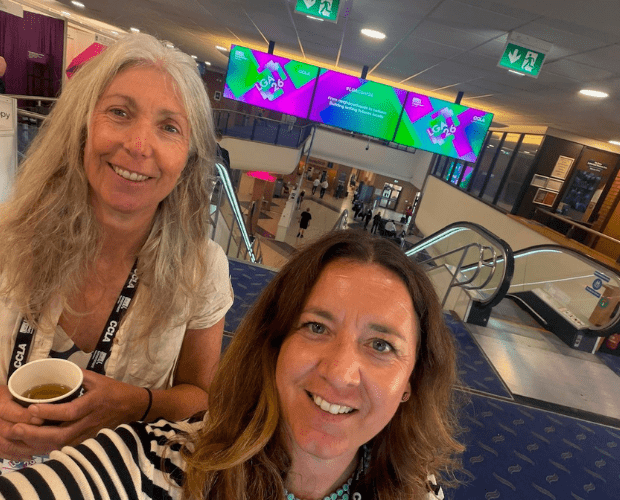
13 Jul 2026
LGA Conference – Learning and Linking Up
Reflections from our Chief Executive Last week I travelled to Bournemouth with RSN Assistant Chief Executive Nadine Trout for the LGA Conference and 3 full on days of learning and...
Read more