T: 01822 851370 E: [email protected]
RSN Voices Serious Concerns Over ‘Fairness’ Of Settlement
Read here...
News
I would suggest creating Community Land Trust for all new developments. A trust can build homes much cheaper and offer the land owner a good The deal could be that each home nets the land owner £5,000 per home...

The Rural Services Network has written directly to Alison McGovern MP, Minister of State for Local Government and Homelessness, setting out our concerns about the Provisional Local Government Finance Settlement for 2026/27. This follows the submission of RSN’s full consultation...
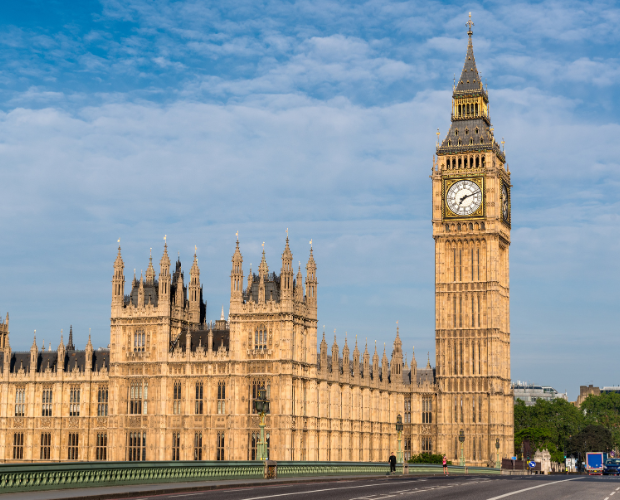
Following last week’s Annual General Meeting of the All-Party Parliamentary Group (APPG) for Rural Services, the Group’s Chair, Sarah Dyke MP, has written separately to Alison McGovern MP, Minister of State for Local Government and Homelessness, setting out her concerns...

With decisions on the local government finance settlement expected next week, now is a crucial moment for rural communities to make their voices heard. MPs play a key role in scrutinising government decisions and holding ministers to account. One of...

The House of Commons Health and Social Care Committee has published a new report, First 1000 Days: a renewed focus, examining how effectively England is supporting children and families during the critical period from conception to age two. The inquiry...

The government has announced a package of measures aimed at reducing geographical inequalities in cancer care, with a particular focus on improving access to specialists and diagnostic technology in rural and coastal areas. Published on 22 January 2026, the announcement...

The government has published updated national design guidance aimed at raising the quality of new housing developments and creating neighbourhoods that are healthier, safer and more resilient to climate change. The guidance, forms part of a wider package of planning...

The government has confirmed it will bring forward legislation to postpone local elections for a number of councils undergoing local government reorganisation, citing the need to free up capacity to complete the transition process. In a recent announcement published by...
We are reaching out to invite community venues across Lincolnshire to host a free Lifestyle Advice & Wellbeing Clinic, delivered by student Paramedics, Pharmacists, and Nurses from the University of Lincoln. These clinics offer a safe, welcoming space for local...
/Churchill_Fellowship_Tile.jpg "Violence Against Women, Girls and Children (VAWG/C) in Rural Communities")
The Government’s VAWG Strategy “Freedom from Violence and Abuse”(2025–2030) is a welcome statement that emphasises prevention, victim support, and perpetrator accountability. Despite extensive submissions highlighting rural survivors' experiences, there's only one mention in the Action Plan, “Commence a call for...
NEWSLETTER
Sign up to receive all our latest news and updates.
HOT TOPICS
Amid reduced public spending, fair resource allocation across regions is crucial. Despite a population larger than Greater London, rural areas receive significantly less funding for essential services, even though delivering these services in rural areas is more expensive.
Economic growth is widely acknowledged as essential for national wealth and prosperity and is a priority for political parties. Rural economies, employing millions and home to a higher proportion of small businesses, have potential for growth if barriers are removed.
Rural residents face distinct healthcare challenges, including limited access to transport, longer distances to medical facilities, an aging demographic, housing inadequacies, digital connectivity gaps, and difficulties recruiting health and care workers.
Rural communities are grappling with a severe affordable housing crisis, marked by high house prices, a lack of affordable housing, elevated living costs, and lower incomes, threatening their sustainability and vitality.
Transport is vital for the quality of life and economic health of rural areas, yet it faces challenges such as infrequent public bus services and less Government funding compared to urban regions.
Rural areas, encompassing a substantial portion of England's population and land, play a pivotal role in combating climate change and achieving the net zero target.
In an increasingly digital world, the lack of robust digital infrastructure in rural areas severely limits access to crucial services and stifles economic growth.
A future-focused vision for rural communities involves not just building the right homes in the right places but also ensuring thriving, sustainable communities.
SIGN UP TO OUR NEWSLETTER
Sign up to our newsletter to receive all the latest news and updates.
Part of and working with: