T: 01822 851370 E: [email protected]
January Edition of Casebook from the Rural Health and Care Alliance
 January 2026 Edition
Welcome to this month’s edition of Casebook in which we highlight the growing pressure on children and older people’s care and the need for adequate government funding. We also canvas views on the use of AI in health care and share how technology is being harnessed by using drones to help deliver medical supplies in Cornwall and the Isles of Scilly. And finally, we share best practice by highlighting a health and wellbeing community market initiative in Ross on Wye and free community and lifestyle clinics in Lincolnshire. Read on…
Rural And Island Communities Under Growing Pressure

A new report examining rural and island communities in Scotland has highlighted growing pressures on childcare and older people’s care, set within a wider analysis of demographic change, workforce availability, connectivity and economic sustainability — challenges that closely mirror those facing rural areas across the UK.
The Scotland’s Rural College (SRUC) led research, produced as part of the Scottish Government’s Strategic Research Programme 2022–2027, explores how demographic change, workforce shortages and rising delivery costs are reshaping demand for care services at a faster pace than in urban areas.
The report finds that ageing populations, fewer working-age adults and difficulties recruiting health, social care and childcare staff are already limiting local capacity to meet care needs. In some areas, a declining care-home footprint is increasing reliance on informal or family-based care, adding pressure to households already facing higher living and fuel costs.
At the same time, limited access to affordable childcare is constraining employment opportunities for younger families, particularly women, and undermining efforts to attract and retain working-age residents. Researchers warn this reinforces population decline and poses long-term risks to economic sustainability.
Professor Steven Thomson, lead author of the report, describes a “double challenge” for rural and island communities: rising demand for elderly care alongside persistent barriers to childcare provision, both essential to sustaining local workforces and economic activity.
The report also highlights wider, interconnected pressures including child and fuel poverty, housing affordability, transport and digital connectivity. One in five children in rural Scotland is estimated to live in relative poverty, while older residents face additional challenges linked to poorer housing energy efficiency and reduced service access.
Based on its findings, the report calls for coordinated, long-term investment in care provision alongside housing, transport, connectivity and workforce development. Priority actions include strengthening community-based services, tackling workforce shortages through targeted recruitment and housing support, and ensuring national policies better reflect rural and island realities.
While the evidence focuses on Scotland, the underlying issues closely reflect challenges facing rural communities elsewhere, offering relevant insight for policymakers and stakeholders working to support resilient rural economies across the UK.
Selected sections of the report are available online, including:
- Highlights, Executive Summary and Report Conclusions
- Introduction and Policy Context
- Port and Ferry Infrastructure
- Broadband and Mobile Connectivity
- Nurseries, Childminders and Early Years Provision
- Older People: Activity and Care Services
- Housing: insights from Energy Performance Certificate data
- Supported Agricultural Activity
- Annexes
The full report can be found here
Children’s Care System Under Strain As Councils Face Rising Costs

A new report from the Public Accounts Committee has warned that England’s children’s residential care system is failing vulnerable children and placing growing, unsustainable pressure on local authorities.
The Committee found that in September 2024 nearly 800 children - around one in ten of those in residential care - were living in illegal, unregistered homes, often for extended periods rather than short-term emergencies. These settings are not registered with Ofsted and cannot be routinely inspected, meaning there is no assurance that children are receiving safe or appropriate care.
The report highlights a severe shortage of suitable care places across the country, particularly for children with complex needs. Almost half of all children in residential care are placed more than 20 miles from their home area, making it harder for social workers to maintain contact and understand local support options. Such distance placements are a long-standing issue for many rural authorities, where limited provision and workforce shortages already restrict local options.
 As demand has outstripped supply, local authorities have increasingly been forced to compete with one another for placements, driving up costs in what the Committee describes as a dysfunctional market. Spending on residential care has almost doubled in five years to £3.1 billion in 2023–24, with the average annual cost per child rising to more than £318,000. These pressures are compounding wider financial challenges facing councils.
The report also raises concerns about the role of private providers, which operate the majority of children’s homes. It highlights high profit margins among some large providers and notes that the Department for Education does not have a clear line of sight over the financial position of much of the sector, limiting effective oversight.
Chair of the Public Accounts Committee Sir Geoffrey Clifton-Brown described the situation as “utterly unacceptable”, warning that a lack of suitable provision is forcing councils into choices that routinely put children at risk.
The Committee calls on government to show greater leadership, improve planning of provision across regions, strengthen oversight of providers and ensure local authorities have the funding and support needed to create appropriate places where they are most needed.
The full report can be read here
Have Your Say on How AI Is Regulated in Healthcare
The Patients Association is gathering patient and public perspectives on the regulation of artificial intelligence (AI) in healthcare. These views will inform its response to the Medicines and Healthcare products Regulatory Agency (MHRA) call for evidence on the regulation of AI in healthcare.
AI is referenced extensively in the NHS 10 Year Health Plan and is expected to play a significant role in how healthcare is designed and delivered in the future. It is therefore vital that patients’ voices are heard in shaping how this technology is regulated and implemented.
To support this work, the Patients Association has developed a survey to capture the views, concerns and priorities of patients and the public regarding AI in healthcare. We would encourage our members and readers to take part and to share the survey within their own networks.
The survey takes approximately 10 minutes to complete and will remain open until Friday, 23 January.
Take the survey on the regulation of AI in healthcare here.
The insights gathered will directly inform the Patients Association’s submission to the MHRA and help ensure that patient safety, equity and trust remain central to the regulation of AI in healthcare.
Lords Report Warns UK Is Unprepared For An Ageing Society

A new report from the House of Lords Economic Affairs Committee has warned that the UK is significantly underprepared for the economic and social impacts of an ageing population.
The report, Preparing for an ageing society, highlights how rising life expectancy and declining birth rates will place increasing pressure on public finances, public services and the workforce over the coming decades. The Committee concludes that successive governments have failed to develop a coherent, long-term strategy to respond to these demographic changes.
 The Committee argues that raising the State Pension Age alone will not address the challenge, noting that many people leave the workforce well before reaching pension age, often due to ill health or caring responsibilities. It calls instead for stronger incentives and support to help people in their mid-50s to mid-60s remain in, or return to, work.
The report also finds that higher levels of immigration or attempts to increase fertility rates are unlikely to provide a sufficient solution on their own. Instead, it stresses the need for earlier and more realistic financial planning across the life course, including better public understanding of the true costs of retirement.
Key concerns raised include the growing gap between life expectancy and healthy life expectancy, the impact of poor health on workforce participation, and the continuing crisis in adult social care. The Committee warns that without action, the UK faces a shrinking tax base alongside rising demand for pensions, health care and social care.
The Office for Budget Responsibility forecasts cited in the report suggest that, on current policy settings, public debt could rise to unsustainable levels over the long term as the proportion of older people increases relative to those in work.
The Committee concludes that the Government must begin addressing the implications of an ageing society now, rather than continuing to rely on short-term or piecemeal measures.

While the Committee’s report does not focus specifically on rural areas, the challenges it identifies are already more acute in many rural communities.
Rural England has a significantly older age profile than urban areas: more than one in four people living in rural settlements are aged 65 or over, compared with fewer than one in five in urban areas outside London.
In more remote rural areas, almost three in ten residents are already aged 65+. This gap is widening over time, with the average age in rural areas rising faster than in urban England.
Population projections suggest that the number of people aged 65 and over in rural areas will grow more quickly than in urban areas over the coming decades, intensifying pressures on health, care, transport and local services that are already harder and more costly to deliver in rural settings.
As national policy responds to the realities of an ageing society, it will be critical that funding, workforce planning and service design properly reflect these demographic differences, so that older people in rural communities are not left behind.
Source: DEFRA, Statistical Digest of Rural England (2025); ONS population projections.
Project To Improve Service Access In Rural Areas Picks Up Award
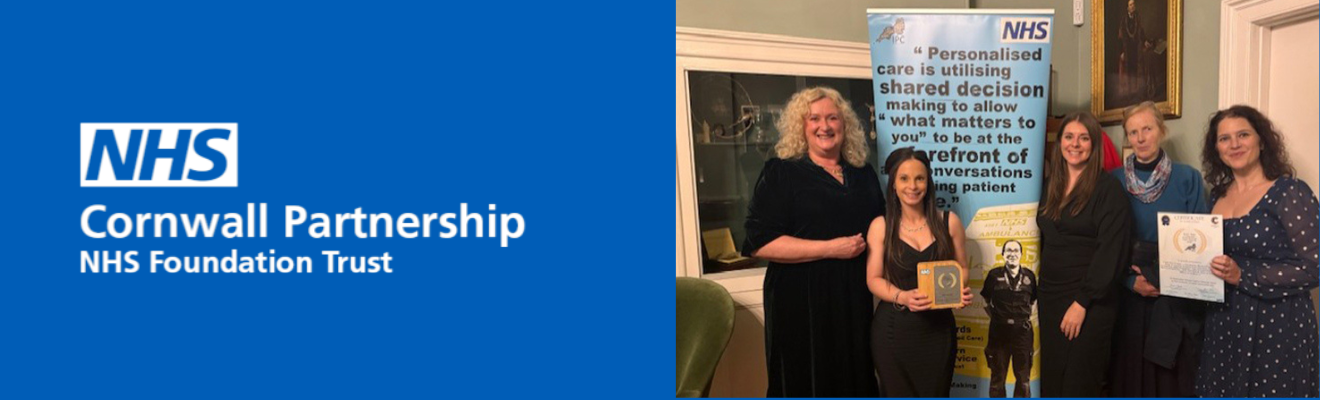
A project supported by the Cornwall Partnership NHS Foundation Trust, which aims to improve access to health services for people in rural areas, has won a national award.
Rachel Williams is a consultant respiratory practitioner for the Trust. She has joined forces with other sectors to create a Farming Health Hub, serving north Cornwall. It aims to provide advice, support, and guidance to farming communities at local venues. This includes livestock markets and pop-up venues. This means that farmers and their families have access to advice.
Rachel has been working with primary and community sectors, market chaplaincy, Imagine If and Exeter University. The team came up with a place-based care idea in the form of the Farming Health Hub.
At the Personalised Care Awards, the team received the 'Working Together Differently Award'.
Rachel said:
This award is a great achievement. It reflects the dedication, collaboration, and innovation within the team. I'm so proud of what we've achieved so far. Rural and coastal communities face unique challenges in accessing services.
The aim is to enhance the health and well-being of our rural communities. Promoting place-based care through a sustainable farming health hub model.
It is a model that doesn't just treat illness. It understands people, their context, and their lives.
This place-based care is co-produced with the farming community. It is tailored to individual need.
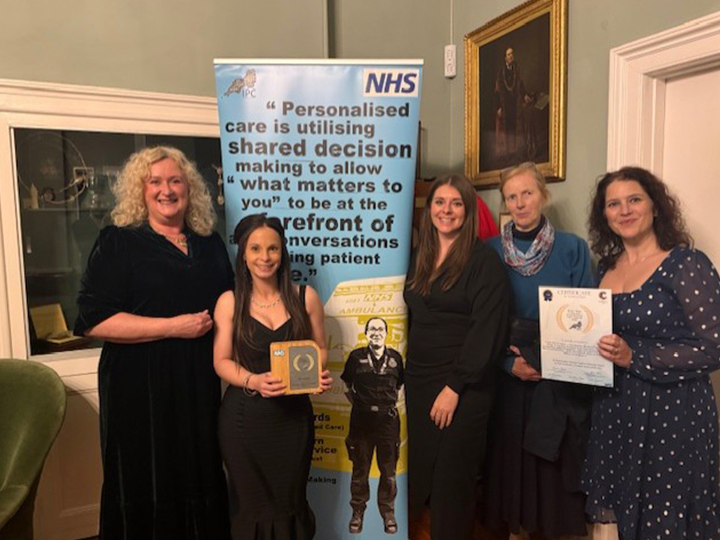 |
Attending the awards, Rachel was joined by Vicky Parker (Ruby Country PCN operations manager) Sue Banks (market chaplain and retired vet), Gemma Brailey and Kirsty Tooke (both Exeter University).
The Farming Health Hub takes place every Wednesday at Holsworthy livestock market. There is 1 community navigator post, 1 nursing post, 1 HCA (from local practice). Reviews can also be carried out outside of the livestock market.
The hub is for anyone attending the market. It is not just for people who are registered with the local GP practice. They can get basic health checks, condition specific reviews with specialist services. There is also accidental counselling training, prevention, and health coaching. The hub is also working with public health and other governmental bodies (DEFRA).
The hub brings care closer to home - bringing services to the livestock market for our under-served farming communities. The hub uses experts within the market (the market chaplain is now one of the research assistants). All are linked to the neighbourhood health agenda.
The project is being evaluated by Exeter University and PPIE (Patient and Public Involvement and Engagement). By doing this, the aim is to learn more about what aspects work and any that do not.
Get Involved: Health and Wellbeing Market in Ross-on-Wye

Ross Town Council is delighted to be hosting a Health and Wellbeing Market on Saturday 14 February and is inviting local businesses, organisations and community groups to take part.
 The event will shine a spotlight on the excellent work taking place across the community to support health and wellbeing — from mental and physical health, to lifestyle support and community connection.
The market offers an opportunity to:
- Promote your business or community group
- Share information about the services or activities you offer
- Attract new members or volunteers
- Help promote wellbeing within the local community
Participants wishing to sell goods, services or memberships should note that a standard market pitch fee will apply. Further details are available here.
Spaces are limited, so early booking is recommended to avoid disappointment, contact [email protected] to book your place.
World First NHS Partnership Opens Skies For Drone Medical Deliveries
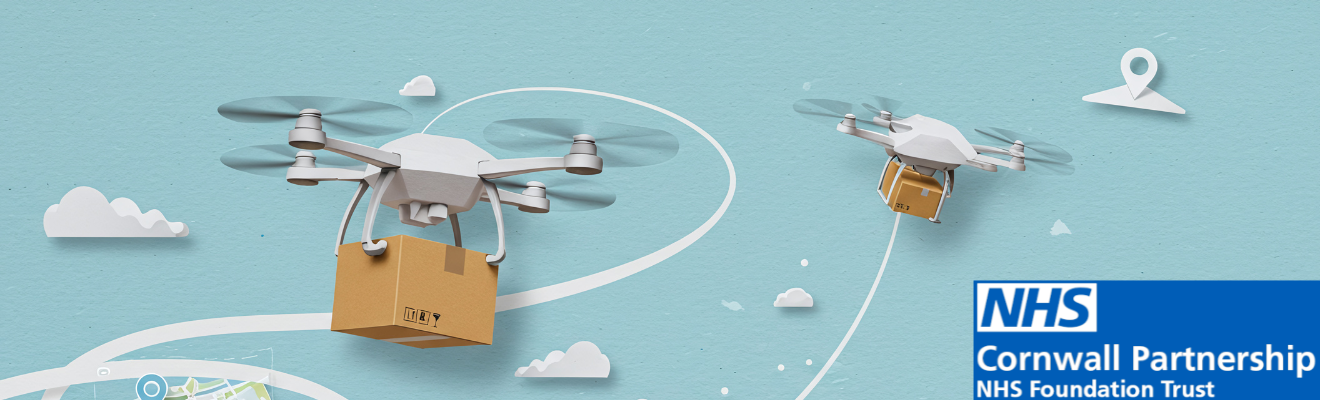
Cornwall Partnership NHS Foundation Trust and Open Skies Network have announced a pioneering agreement for the adoption of an NHS medical drone delivery service in Cornwall and the Isles of Scilly.
Starting in 2025, this multi-year partnership will support the adoption of cargo drones. Initially, this will include delivery of things like pathology samples and medical supplies across the region. In the future, it will explore the potential to use piloted electric aircraft for medical transport.
Gareth Whatmore, CEO at Open Skies Network, said:
This agreement - the first of its kind in the NHS - will see Open Skies Network and Cornwall Partnership NHS Foundation Trust working together to adopt a model for drone-enabled, digitally integrated health and care logistics. This supports delivery of the 10-year Health Plan to move care out of hospitals into communities and make better use of technology to help healthcare teams focus on preventing sickness, not just treating it.
Geographic isolation and weather dependency present unique challenges when it comes to delivering equitable access to healthcare across Cornwall and the Isles of Scilly. This agreement will be a boost to the existing transport infrastructure and the delivery of urgent diagnostics, medications, and specialist interventions.
The landmark agreement will see Open Skies Network formalise take-off and landing locations and infrastructure for active medical drone use, in Cornwall and the Isles of Scilly. It will also pave the way for future adoption of piloted electric aircraft, creating a blueprint for a future-ready health and care system that can be replicated across urban, rural and island communities around the world.
Debbie Richards, Chief Executive at Cornwall Partnership NHS Foundation Trust , said:
With 30 miles of water between the Isles of Scilly and the mainland, our region’s geography dictates that we do things differently. Our work with Open Skies Network is all about adopting new technology and helping the NHS to realise the benefits of drone technology and digital integration to deliver improved patient care and responsiveness.
Whether it is same-day prescriptions and medical sample deliveries or supporting clinical teams to provide care closer to patients’ homes, reducing healthcare-related travel, our goal is to ensure timely access to care and resources, regardless of geography.
Incorporating drone technologies into healthcare logistics supports a range of use cases that will improve outcomes for patients and clinicians alike, from delivering path lab samples more quickly and speeding up diagnoses, to improving acute and specialist care provision. It not only supports the NHS’s Net Zero ambitions but also offers real-world productivity savings.
Free Community Lifestyle Advice & Wellbeing Clinics – Lincolnshire
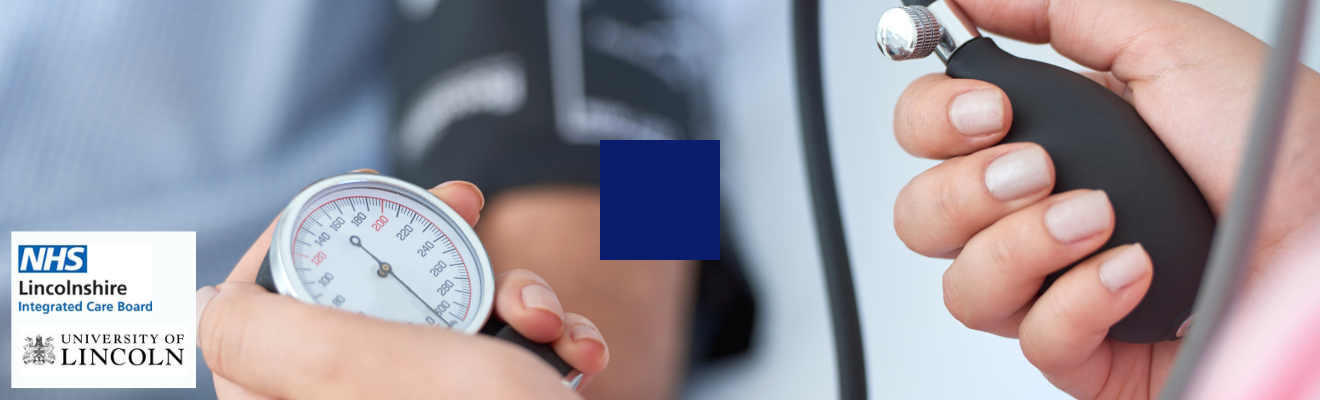
Community venues across Lincolnshire are being invited to host free Lifestyle Advice & Wellbeing Clinics, delivered by student Paramedics, Pharmacists and Nurses from the University of Lincoln, in partnership with NHS Lincolnshire Integrated Care Board.
The clinics provide a safe, welcoming space for local residents to access practical health support, including lifestyle advice and general wellbeing tips, blood pressure checks, height and weight measurements, and opportunities to chat and ask questions about health and wellbeing.
Venues can host sessions as part of existing coffee mornings, drop-in sessions or community events. Clinics are available at various points throughout the year, including June–July, October–November, December–January and February–April.
Community hubs, village halls and other local venues interested in hosting a clinic or finding out more are encouraged to get in touch.
For more information, contact: [email protected]
RSN Member Exclusive Seminar Programme 2026 – Bookings Now Open
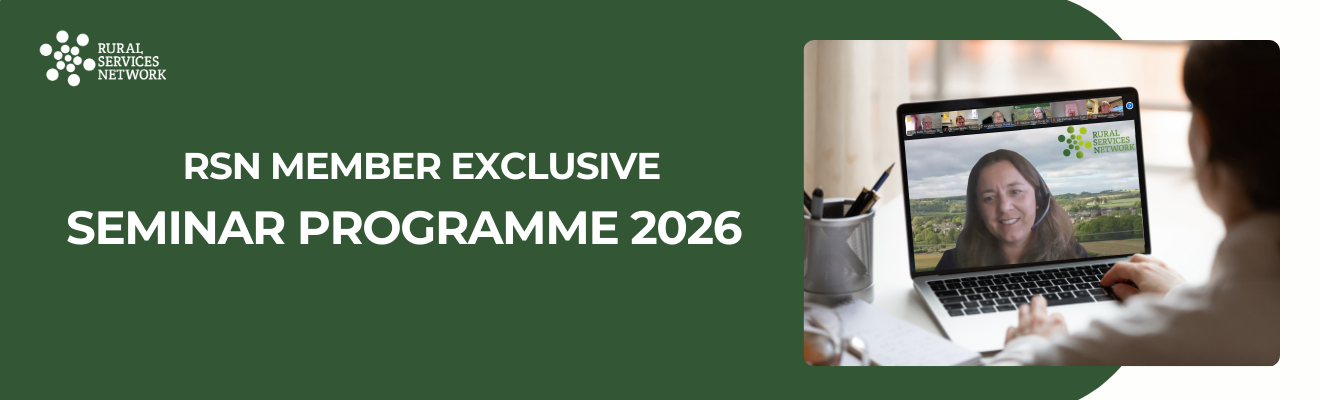
The RSN Member Exclusive Seminar Programme for 2026 is now open for bookings, bringing together industry experts, rural practitioners, and sector leaders to explore the major issues shaping rural communities across England.
Our seminars are a core RSN member benefit, highly interactive, and designed to support learning, collaboration, and real-world problem-solving. Last year we welcomed 450 delegates from across our membership at our seminar events!
The 2026 programme covers a wide range of rural priorities such as; Net Zero, Connectivity, Communities, Economy, Transport, Affordable Housing, Planning, and Health & Care. Sessions are scheduled throughout the year and you can view the full timetable book directly here.
 |
Each seminar offers a valuable opportunity to:
- Hear from leading experts on emerging rural policy, funding, and best practice
- Connect with peers across the country who share similar challenges
- Share insights, case studies and lived experience from your own area
- Shape national conversations on the future of rural services
RSN seminars are not recorded. The real benefit comes from being part of the live discussion, asking questions, exchanging ideas, and engaging directly with presenters and fellow members.
You can also view all RSN events on our Events page.
We look forward to welcoming you to another year of collaborative, insightful and impactful sessions.
We’d love to hear from you - share what you’re proud of
If you have something, you would like us to feature in a future edition, please let us know by clicking here to send us an email.
Spread the word
If you know of other organisations that you think would benefit from joining the Rural Health & Care Alliance, please click here to email us and let us know.
RURAL SERVICES NETWORK
Up to date news on Health and Care
The Rural Services Network provides a useful source of themed news content and data. Check out the latest news on Rural Access to Health and Care Services and Vulnerability, where you’ll find articles on a diverse range of rural issues affecting rural communities.
Latest from RSN Member Insights
RSN Member Insights is the place to discover the statistics that define communities within our membership. It is regularly updated with new analyses, and these will be highlighted in the 'What's New' section of the RSN's Weekly Rural Bulletin. The Rural Bulletin also provides a selection of the most rurally topical news items, so do subscribe and encourage your colleagues to subscribe to what is an invaluable weekly periodical.
| The Rural Health & Care Alliance is a membership organisation administered by the Rural Services Network on behalf of the National Centre for Rural Health & Care. Explore the RHCA service below: |
 |
 |
 |
 |
 |
 |
 |
 |
 |
 |


