T: 01822 851370 E: [email protected]
Visit RSN Survey about life in rural England to find out more.
Local Authorities across the country are waiting for the Provisional local Government Finance Settlement, due to be published this week. This will be the first settlement following changes made to the funding formula by the Government for the first time...

The government has launched an independent review examining how mental health, ADHD and autism services are currently delivered, amid rising demand and growing pressures across the system. The review, led by clinical psychologist Professor Peter Fonagy, will investigate what is...

The Government has published its new Child Poverty Strategy, setting out measures it says will lift around 550,000 children out of poverty by the end of this Parliament. The strategy outlines plans to reduce living costs for families, increase childcare...
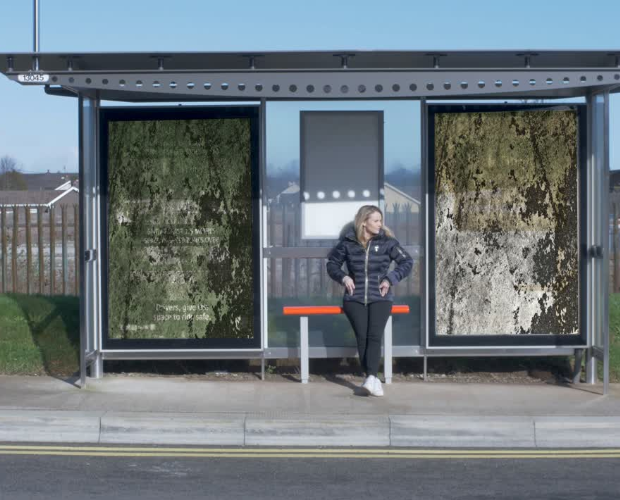
The government has announced a £3 billion funding package to support bus services and infrastructure across England, aiming to deliver more frequent, reliable and affordable services for passengers. The announcement confirms that councils will receive multi-year settlements through the new...

The Department for Education has launched a new national engagement campaign to gather views from parents, carers, young people and professionals on the future of the Special Educational Needs and Disabilities (SEND) system. The initiative aims to create “the biggest...

The Rural Services Network has put together an initial overview of the Government’s 2025 Budget, highlighting the headline measures and the early implications for rural areas across energy, transport, housing, public services, skills and local government funding. At this stage,...

Housing and Planning Minister, Matthew Pennycook has provided an update on the government’s reforms to the local plan-making system in England, confirming key legislative, funding and timetable measures intended to accelerate the delivery of up-to-date local plans across all areas....
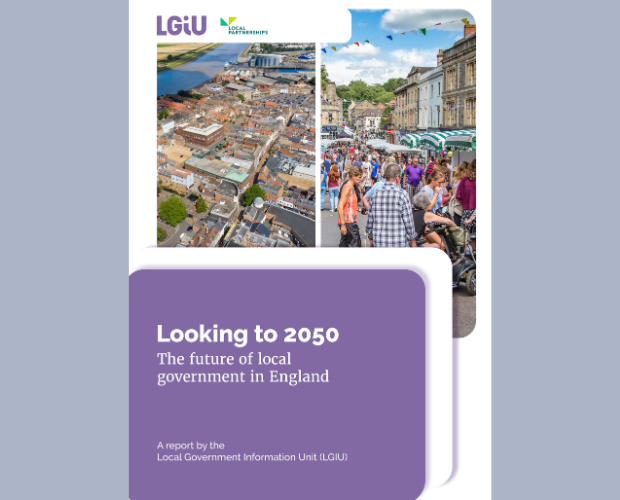
A new report from the Local Government Information Unit (LGIU), produced in partnership with Local Partnerships, examines how England’s evolving governance system could operate by 2050. Drawing on a survey of 67 respondents from all existing combined authority areas and...

The Royal Town Planning Institute (RTPI) has published an amendment briefing calling for the English Devolution and Community Empowerment Bill to explicitly recognise and address the needs of rural communities. While 85% of England’s land area is classified as rural...

The House of Lords Social Mobility Policy Committee has today published its report Social Mobility: Local Roots, Lasting Change setting out how educational and work opportunities must be better integrated across the UK. The Rural Services Network contributed evidence to...
NEWSLETTER
Sign up to receive all our latest news and updates.
HOT TOPICS
Amid reduced public spending, fair resource allocation across regions is crucial. Despite a population larger than Greater London, rural areas receive significantly less funding for essential services, even though delivering these services in rural areas is more expensive.
Economic growth is widely acknowledged as essential for national wealth and prosperity and is a priority for political parties. Rural economies, employing millions and home to a higher proportion of small businesses, have potential for growth if barriers are removed.
Rural residents face distinct healthcare challenges, including limited access to transport, longer distances to medical facilities, an aging demographic, housing inadequacies, digital connectivity gaps, and difficulties recruiting health and care workers.
Rural communities are grappling with a severe affordable housing crisis, marked by high house prices, a lack of affordable housing, elevated living costs, and lower incomes, threatening their sustainability and vitality.
Transport is vital for the quality of life and economic health of rural areas, yet it faces challenges such as infrequent public bus services and less Government funding compared to urban regions.
Rural areas, encompassing a substantial portion of England's population and land, play a pivotal role in combating climate change and achieving the net zero target.
In an increasingly digital world, the lack of robust digital infrastructure in rural areas severely limits access to crucial services and stifles economic growth.
A future-focused vision for rural communities involves not just building the right homes in the right places but also ensuring thriving, sustainable communities.
SIGN UP TO OUR NEWSLETTER
Sign up to our newsletter to receive all the latest news and updates.
Part of and working with: