T: 01822 851370 E: [email protected]
Visit RSN Survey about life in rural England to find out more.
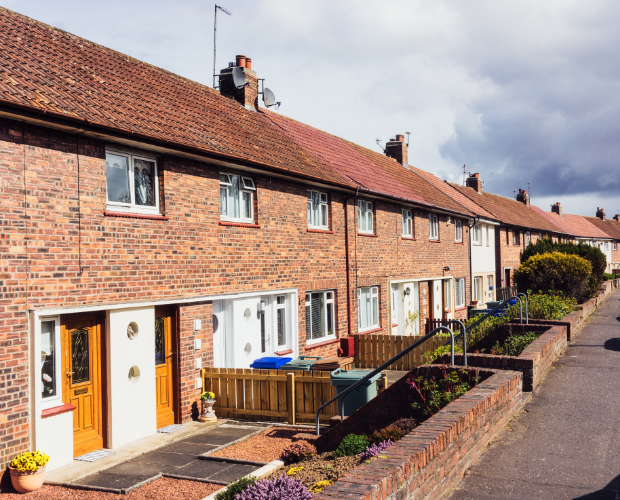
To announce the release of a series of in-depth resources, designed to support retrofit suppliers as they prepare for delivery across rural and remote areas, Gareth Field, Subject Matter Expert, Retrofit Information, Support and Expertise explores the challenges, but also...
Damp and mould in a home are not just cosmetic issues — they are serious health hazards that can trigger asthma, respiratory infections, allergies and skin irritation. It can also really affect the mental health of those living in the...
Sophie Norton is a Sustainability Consultant at Turner & Townsend, and the Retrofit Information, Support and Expertise (RISE) subject matter expert for historic and heritage properties. Before joining Turner & Townsend last year, Sophie worked in heritage conservation and retrofit...
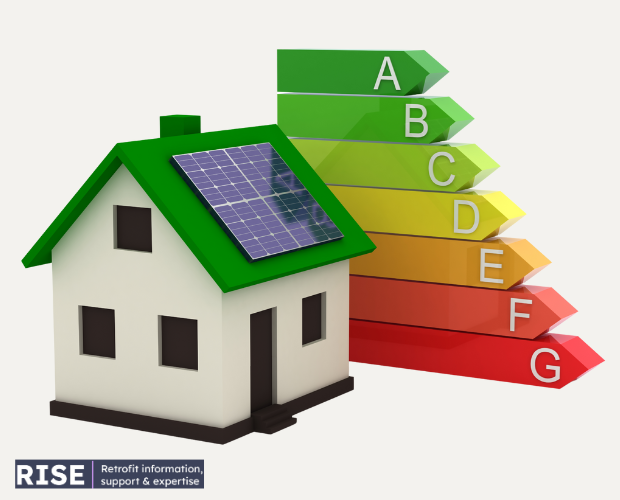
Understanding the New RdSAP10 – What Rural Housing Providers Need to Know If you are involved in managing housing stock, planning retrofit projects, or working towards improving energy performance across rural homes, you need to be aware of important updates...

Higher education opportunities are being increasingly restricted for the poorest young people from rural and coastal communities. The Coast and Country: Access to higher education cold spots in England shows that pupils from free school meal (FSM) backgrounds in rural...
When a local authority or social housing provider is planning any form of improvements to their housing stock, engagement with their residents is always a vital consideration. This is especially the case for any retrofit activity, where changes to the...
/rise_tile.jpg "Get Ready For Retrofit")
Support with your domestic retrofit project planning and preparation Retrofit Information, Support and Expertise – or RISE - is a free support service funded by the Department for Energy Security and Net Zero, providing training, guidance, and support to help...
Retrofit Information, Support and Expertise – or RISE (the Government backed support service for housing providers looking to carry out retrofit on their properties) has launched a brand new and free training Masterclass for 2025, focusing on biodiversity net gain....
Carrying out retrofit measures on historic or heritage properties can be a more complicated process than on newer homes. But the benefits can be substantial. Sophie Norton, Sustainability Consultant at Turner & Townsend, and the RISE subject matter expert for...
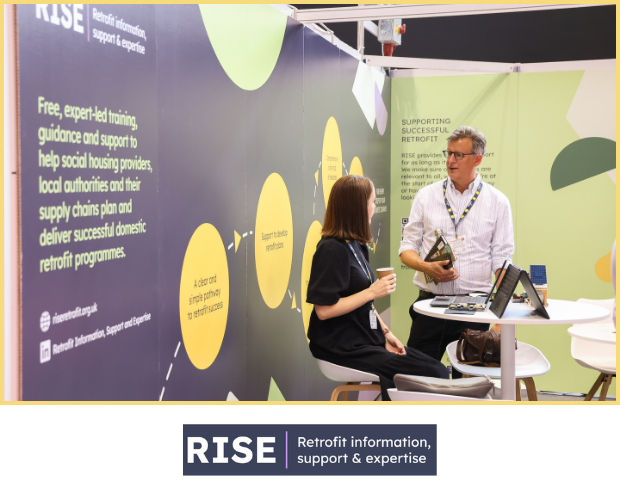
There are now less than two months left before Warm Homes: Local Grant Expressions of Interest must be submitted (deadline of 1 December 2024). Retrofit Support, Information and Expertise (RISE) is increasing its support to rural local authorities, helping them...
NEWSLETTER
Sign up to receive all our latest news and updates.
HOT TOPICS
Amid reduced public spending, fair resource allocation across regions is crucial. Despite a population larger than Greater London, rural areas receive significantly less funding for essential services, even though delivering these services in rural areas is more expensive.
Economic growth is widely acknowledged as essential for national wealth and prosperity and is a priority for political parties. Rural economies, employing millions and home to a higher proportion of small businesses, have potential for growth if barriers are removed.
Rural residents face distinct healthcare challenges, including limited access to transport, longer distances to medical facilities, an aging demographic, housing inadequacies, digital connectivity gaps, and difficulties recruiting health and care workers.
Rural communities are grappling with a severe affordable housing crisis, marked by high house prices, a lack of affordable housing, elevated living costs, and lower incomes, threatening their sustainability and vitality.
Transport is vital for the quality of life and economic health of rural areas, yet it faces challenges such as infrequent public bus services and less Government funding compared to urban regions.
Rural areas, encompassing a substantial portion of England's population and land, play a pivotal role in combating climate change and achieving the net zero target.
In an increasingly digital world, the lack of robust digital infrastructure in rural areas severely limits access to crucial services and stifles economic growth.
A future-focused vision for rural communities involves not just building the right homes in the right places but also ensuring thriving, sustainable communities.
SIGN UP TO OUR NEWSLETTER
Sign up to our newsletter to receive all the latest news and updates.
Part of and working with: