T: 01822 851370 E: [email protected]
RSN Voices Serious Concerns Over ‘Fairness’ Of Settlement
Read here...
The Rural Services Network has serious concerns over the new ‘fair and transparent’ Local Government Funding formula. Our analysis shows that in 2026-2027, the most urban councils will receive 41% more in Government funded spending power per head, than...
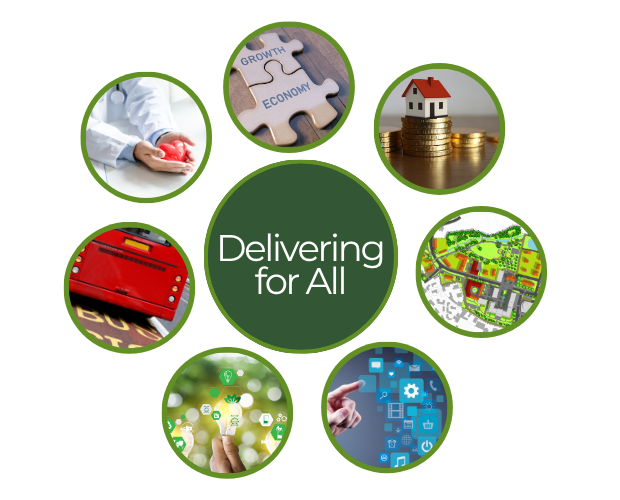
A new policy framework from the Rural Services Network Every person, in every place, deserves the chance to thrive — including those living in rural, coastal and small-town communities. The Rural Services Network is proud to launch Delivering for All:...
The All-Party Parliamentary Group (APPG) for Rural Services held its Annual General Meeting at Westminster last week. The meeting brought together MPs and Peers to agree the Group’s focus for the year ahead with the Rural Services Network continuing to...

A new report from the Public Accounts Committee has warned that England’s children’s residential care system is failing vulnerable children and placing growing, unsustainable pressure on local authorities. The Committee found that in September 2024 nearly 800 children - around...

The Office for National Statistics (ONS) has indicated it is reviewing the scope, sequencing and frequency of some sub-national statistical outputs as part of a wider programme to prioritise its core national datasets. The work forms part of ongoing efforts...

A new report from the House of Lords Economic Affairs Committee has warned that the UK is significantly underprepared for the economic and social impacts of an ageing population. The report, Preparing for an ageing society, highlights how rising life...
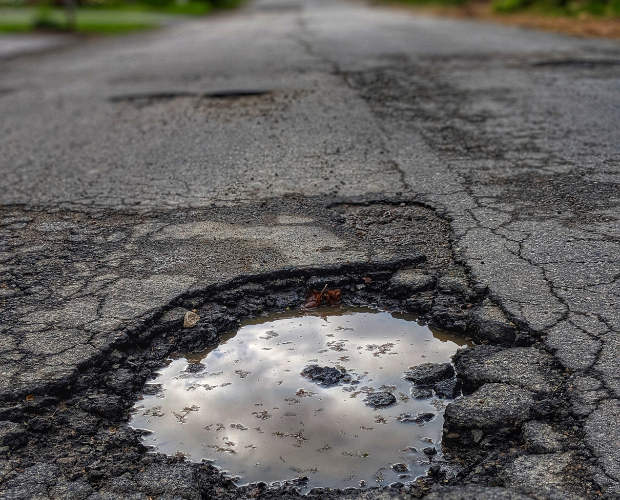
A new government map showing how well councils are tackling potholes has put local road maintenance firmly back in the spotlight. Published by the Department for Transport, the interactive map rates 154 local highway authorities as red, amber or green...

The Government has published the provisional local government finance settlement for 2026/27, outlining planned funding allocations for local authorities in England and launching a statutory consultation on its proposals. While the final figures are still subject to confirmation through this...

As we look to 2026, the context for rural services and local governance continues to evolve. Local government structures may shift. Strategic authorities may develop. Boundaries may change. But regardless of how governance is reshaped, one principle must remain firm:...
The Rural Services Network (RSN) has received a formal response from the Ministry of Housing, Communities and Local Government following its letter raising concerns about the impact of Fair Funding Review 2.0 on rural local authorities. In November, RSN Chief...
NEWSLETTER
Sign up to receive all our latest news and updates.
HOT TOPICS
Amid reduced public spending, fair resource allocation across regions is crucial. Despite a population larger than Greater London, rural areas receive significantly less funding for essential services, even though delivering these services in rural areas is more expensive.
Economic growth is widely acknowledged as essential for national wealth and prosperity and is a priority for political parties. Rural economies, employing millions and home to a higher proportion of small businesses, have potential for growth if barriers are removed.
Rural residents face distinct healthcare challenges, including limited access to transport, longer distances to medical facilities, an aging demographic, housing inadequacies, digital connectivity gaps, and difficulties recruiting health and care workers.
Rural communities are grappling with a severe affordable housing crisis, marked by high house prices, a lack of affordable housing, elevated living costs, and lower incomes, threatening their sustainability and vitality.
Transport is vital for the quality of life and economic health of rural areas, yet it faces challenges such as infrequent public bus services and less Government funding compared to urban regions.
Rural areas, encompassing a substantial portion of England's population and land, play a pivotal role in combating climate change and achieving the net zero target.
In an increasingly digital world, the lack of robust digital infrastructure in rural areas severely limits access to crucial services and stifles economic growth.
A future-focused vision for rural communities involves not just building the right homes in the right places but also ensuring thriving, sustainable communities.
SIGN UP TO OUR NEWSLETTER
Sign up to our newsletter to receive all the latest news and updates.
Part of and working with: