T: 01822 851370 E: [email protected]
Visit RSN Survey about life in rural England to find out more.
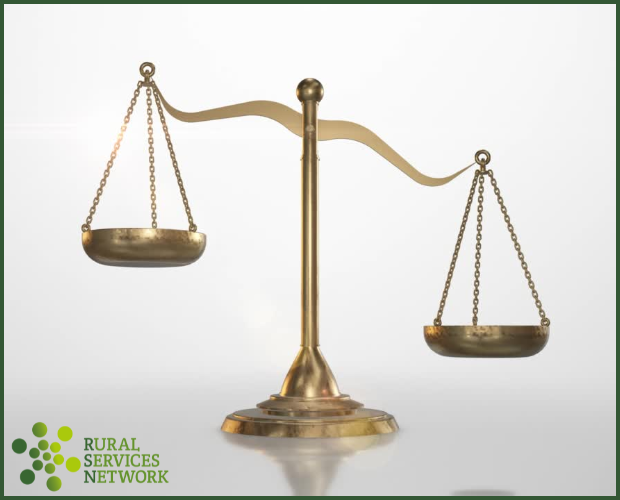
The Rural Services Network has serious concerns over the new ‘fair and transparent’ Local Government Funding formula. Our analysis shows that in 2026-2027, the most urban councils will receive 41% more in Government funded spending power per head, than...
Local Authorities across the country are waiting for the Provisional local Government Finance Settlement, due to be published this week. This will be the first settlement following changes made to the funding formula by the Government for the first time...

The Rural Services Network (RSN) continues to express deep concern over the significant disparities highlighted in the latest local government finance settlement. The funding allocations continue to disadvantage rural communities, where residents already face higher costs and reduced services compared...

As the national champion for rural services, the RSN is committed to advocating for equitable funding across England's rural communities. Today we will be submitting our detailed response to the government's consultation on the Provisional Local Government Finance Settlement, highlighting...
The Rural Services Network (RSN) has conducted an initial analysis of the recent Provisional Local Government Finance Settlement and is deeply concerned about the implications for England's rural communities. While the government promised no reductions in Core Spending Power, many...
The Rural Services Network is meticulously examining today’s statement concerning the Provisional Local Government Settlement. We are committed to fully assessing the implications for our rural member councils, especially with the concerning decision to 'repurpose' the Rural Services Delivery Grant....
The Government has published the Devolution White Paper which sets out their vision and plans for devolving power across the nation. Deputy Prime Minister Angela Rayner has vowed to make devolution ‘the default position of government’ and give councils the...
The importance of rural councils coming together was highlighted last week with an urgent meeting called by the Rural Services Network of local authority members. Following the Local Government Finance Policy Statement published on 28th November which set out the...

Last week the Government published the policy statement for Local Government Finance 2025-2026. This included outline details of the headline allocations through the Provisional Settlement for Local Government for which a consultation will be launched in December ahead of the...
Last week, the Rural Services Network (RSN) alongside 57 rural local authorities across England took a significant step forward by sending a joint letter to the Rt Hon Jim McMahon MP, advocating for fairer funding in the upcoming Local Government...
NEWSLETTER
Sign up to receive all our latest news and updates.
HOT TOPICS
Amid reduced public spending, fair resource allocation across regions is crucial. Despite a population larger than Greater London, rural areas receive significantly less funding for essential services, even though delivering these services in rural areas is more expensive.
Economic growth is widely acknowledged as essential for national wealth and prosperity and is a priority for political parties. Rural economies, employing millions and home to a higher proportion of small businesses, have potential for growth if barriers are removed.
Rural residents face distinct healthcare challenges, including limited access to transport, longer distances to medical facilities, an aging demographic, housing inadequacies, digital connectivity gaps, and difficulties recruiting health and care workers.
Rural communities are grappling with a severe affordable housing crisis, marked by high house prices, a lack of affordable housing, elevated living costs, and lower incomes, threatening their sustainability and vitality.
Transport is vital for the quality of life and economic health of rural areas, yet it faces challenges such as infrequent public bus services and less Government funding compared to urban regions.
Rural areas, encompassing a substantial portion of England's population and land, play a pivotal role in combating climate change and achieving the net zero target.
In an increasingly digital world, the lack of robust digital infrastructure in rural areas severely limits access to crucial services and stifles economic growth.
A future-focused vision for rural communities involves not just building the right homes in the right places but also ensuring thriving, sustainable communities.
SIGN UP TO OUR NEWSLETTER
Sign up to our newsletter to receive all the latest news and updates.
Part of and working with: