T: 01822 851370 E: [email protected]
Pip Cannons, CEO at Community Catalysts, reflects on the ambitions of the NHS 10-Year Plan and what is needed to put the vision into action. The NHS 10-Year Plan sets out a bold, ambitious vision It’s a vision that demands new...

Community Catalysts is a social enterprise that works in partnership to make sure that people can be part of strong, inclusive, communities with real opportunities to connect, create and contribute. Since 2009, they have worked with councils, health bodies, and community groups...
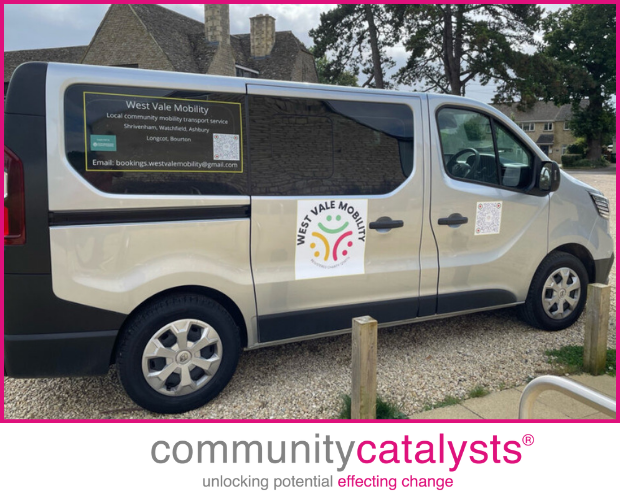
Neighbouring villages around Shrivenham are benefiting from a new community transport service, supporting residents to live well and independently within their own communities. West Vale Mobility has been developed by Shrivenham Parish Council, with funding support from Oxfordshire County Council’s...
The area of Westmorland and Furness is a historic and scenic county of northwestern England. Geographically the third largest local authority in England, it is home to approximately 225,000 people. Some of the county towns are in rural areas, which...
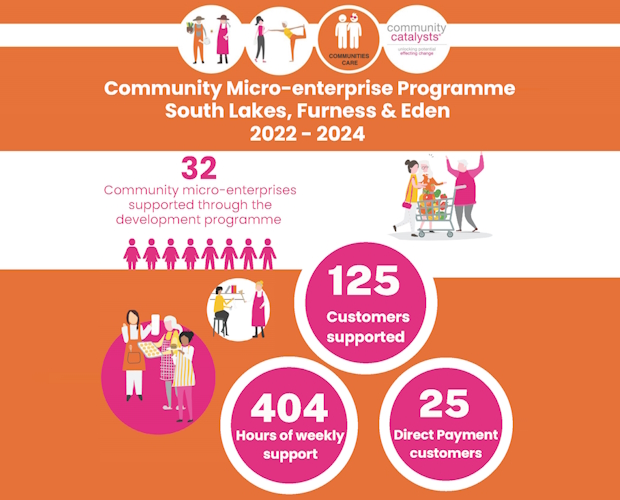
In the regions of Westmorland and Furness, a groundbreaking initiative has been making significant strides in reshaping local care through the power of community micro-enterprises. Spearheaded by Community Catalysts, the project began in 2022 and has flourished, integrating deeply with...
The recent multi-site evaluation of Local Area Coordination (LAC) in England and Wales, funded by the National Institute for Health and Social Care Research and conducted in collaboration with leading universities, presents significant findings that underscore the transformative power of...
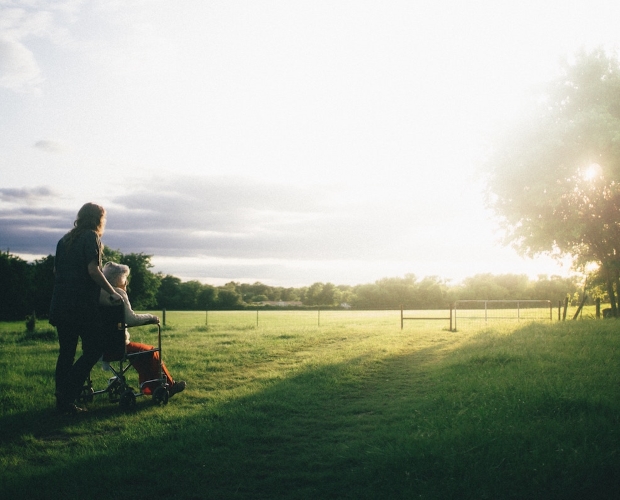
Community Catalysts, led by Pip Cannons and Helen Allen, are revolutionising health and social care in hard-to-reach areas through community micro-enterprises. This groundbreaking initiative, highlighted by The Local Government Association, aligns closely with the Care Act's principles, promoting personalised, community-focused...
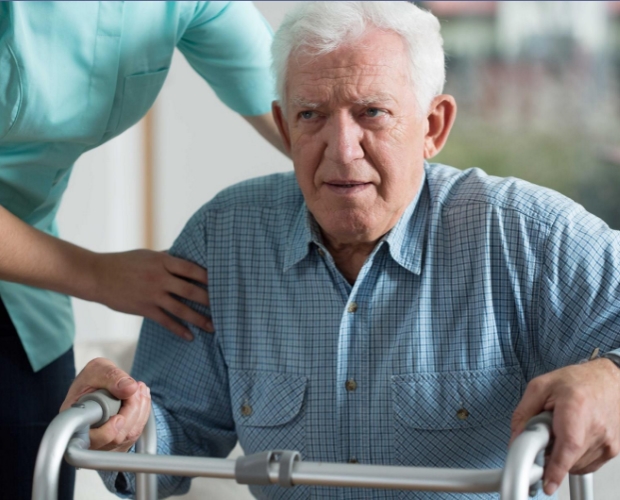
Kerry Booth, Chief Executive of the Rural Services Network, recently wrote in the Care Management Matters periodical, asking the question how can we ensure an ageing rural population can access the care services they need? The article reads… The NHS...
Community Catalysts has launched a new 2-year project in partnership with Cheshire West and Chester Council to build on local people’s strengths, supporting them to start up their own community micro-enterprises offering care and support to other local people. The...

Community Catalysts have launched a new marketing guide especially for people who are running small enterprises offering care or support to others – otherwise known as community enterprises. From a community enterprise perspective, the...
NEWSLETTER
Sign up to receive all our latest news and updates.
HOT TOPICS
Amid reduced public spending, fair resource allocation across regions is crucial. Despite a population larger than Greater London, rural areas receive significantly less funding for essential services, even though delivering these services in rural areas is more expensive.
Economic growth is widely acknowledged as essential for national wealth and prosperity and is a priority for political parties. Rural economies, employing millions and home to a higher proportion of small businesses, have potential for growth if barriers are removed.
Rural residents face distinct healthcare challenges, including limited access to transport, longer distances to medical facilities, an aging demographic, housing inadequacies, digital connectivity gaps, and difficulties recruiting health and care workers.
Rural communities are grappling with a severe affordable housing crisis, marked by high house prices, a lack of affordable housing, elevated living costs, and lower incomes, threatening their sustainability and vitality.
Transport is vital for the quality of life and economic health of rural areas, yet it faces challenges such as infrequent public bus services and less Government funding compared to urban regions.
Rural areas, encompassing a substantial portion of England's population and land, play a pivotal role in combating climate change and achieving the net zero target.
In an increasingly digital world, the lack of robust digital infrastructure in rural areas severely limits access to crucial services and stifles economic growth.
A future-focused vision for rural communities involves not just building the right homes in the right places but also ensuring thriving, sustainable communities.
SIGN UP TO OUR NEWSLETTER
Sign up to our newsletter to receive all the latest news and updates.
Part of and working with: